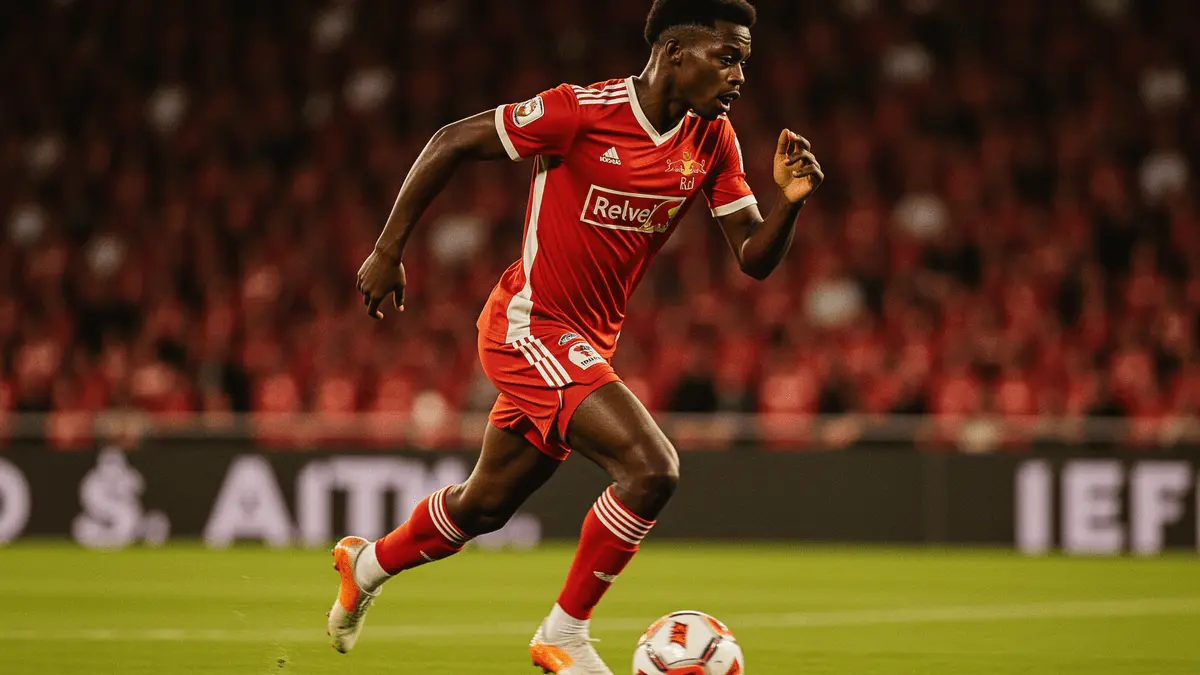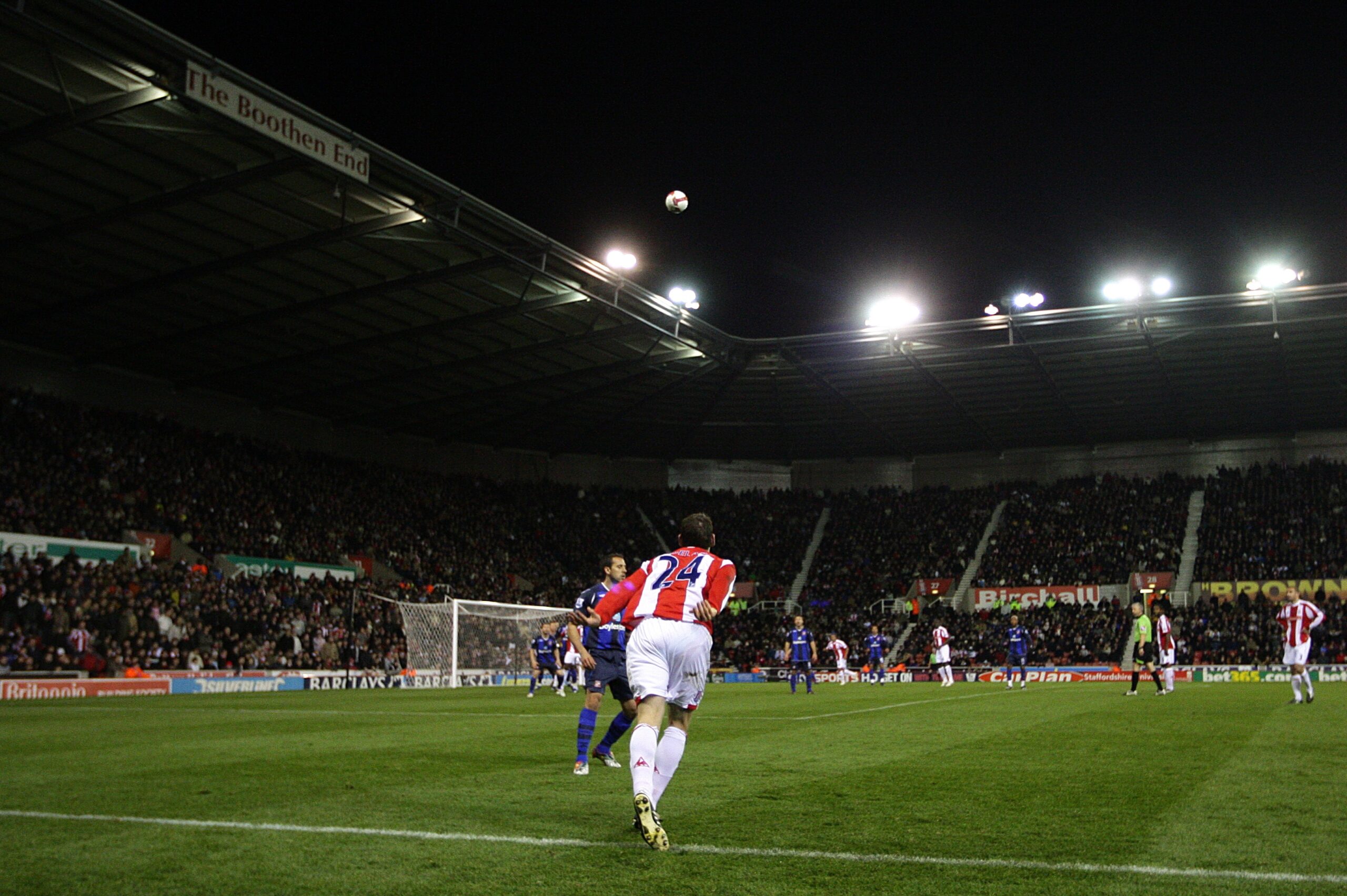
Long throw-ins are not a new phenomenon in football. Stoke City’s Rory Delap (pictured above) used them to terrorise Premier League defences between 2008 and 2012.
In recent years, however, as more and more teams embraced the slick tiki-taka ideals championed by Pep Guardiola, the long throw seemed destined to become a forgotten relic at the top level.
But fashion moves in cycles. Just as the mullet has made an unlikely revival in 2025, so too has the long throw-in.
That comeback was highlighted at Villa Park on Saturday when teenager Myles Lewis-Skelly launched one into the box during England’s 2-0 win over Andorra.
England had been expected to put four or five goals past Andorra, so a 2-0 margin left many fans underwhelmed. With goals scarce, Lewis-Skelly’s throw-in became one of the most talked-about moments in the post-match analysis.
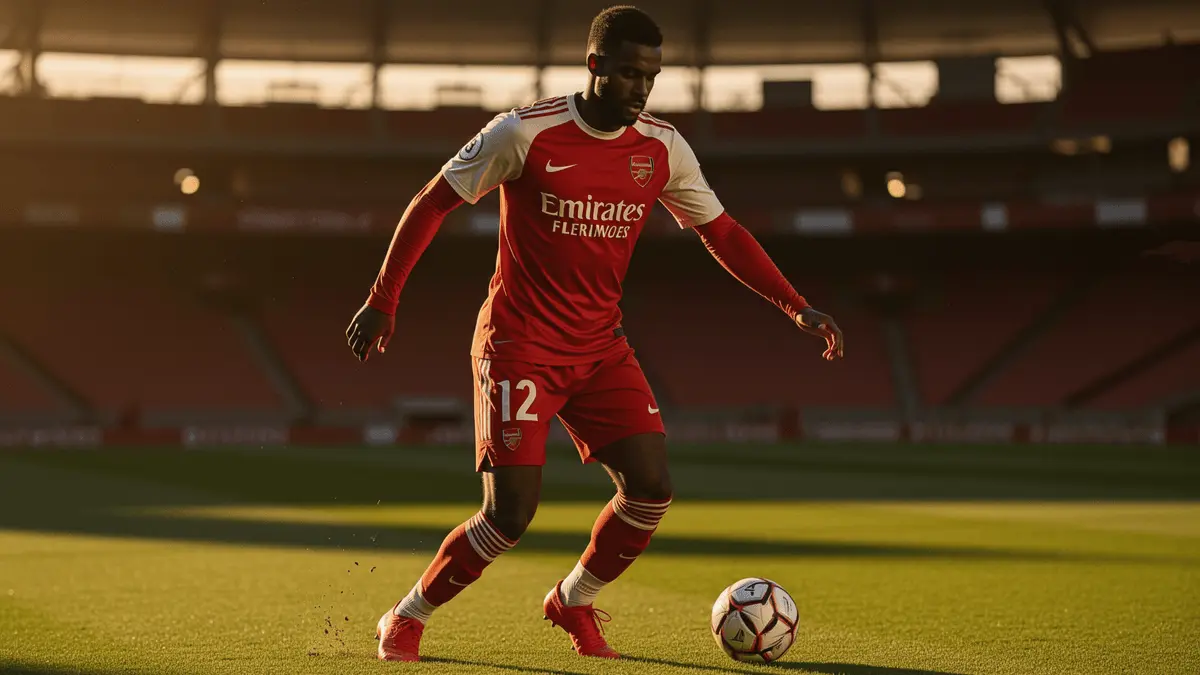
England follow Arsenal, Spurs and Liverpool in bringing back the long throw-in
Lewis-Skelly’s long throw for England was far from an isolated incident this season.
Tottenham’s Kevin Danso threw multiple bombs into the Paris Saint-Germain penalty area during August’s UEFA Super Cup final, while Arsenal and Liverpool are among the other Premier League teams to use long throw-ins in the 2025–26 campaign so far.
Indeed, according to Opta, as many as 11 of the 20 Premier League clubs launched at least one long throw into the opposition box on the opening weekend of the season — compared with just four teams at the same stage a year earlier.
What was once a weapon mocked as crude and agricultural is seemingly now part of the mainstream, embraced not only by relegation battlers but also by some of the most technically gifted sides in Europe.
Thomas Tuchel: “The long throw-in is back”
“I told you – the long throw-in is back,” declared England manager Thomas Tuchel after the Andorra game.
“Once we arrive at the World Cup, all these things matter, so we will also talk about long throw-ins, we will talk about long kicks from the goalkeeper and not only playing short.
“I need to reflect now with my assistant coaches. All these patterns are back and crosses are back as well.”

England manager Thomas Tuchel declared after his team beat Andorra 2-0: “The long throw-in is back”
Why are long throw-ins back in fashion?
Although the trend has accelerated this season, the comeback actually began last term. In 2024–25, 19 goals were scored from throw-in situations in the Premier League — more than in any other campaign in the past decade.
Brentford, then under the leadership of Thomas Frank, led the way by creating chances worth 7.2 expected goals from long throws and scoring five times.
Those are margins no modern coach can afford to ignore.
The bigger picture is that football has entered an age of set-piece obsession. Specialist coaches now pore over every detail, and no restart is considered too small. Corners and free-kicks have long been treated like American football plays, with rehearsed movements and decoy runs. Throw-ins are simply the next frontier.
There are also structural advantages. The offside law does not apply at a throw-in, which opens up attacking possibilities unavailable in open play. Defences hate them because a flat, fast delivery can cause chaos in a penalty area not set for aerial duels. Even if the first ball is cleared, second balls and rebounds create pressure.
The stigma has also started to fade. For years, long throws were derided as crude or agricultural, but that perception is shifting. Brentford and Nottingham Forest normalised the tactic after their promotions, and now bigger clubs are following suit.
Ultimately, the revival is about pragmatism. Possession football still dominates, but margins are tighter than ever and every goal counts. A 25-yard dart hurled in from the touchline may never be as elegant as a flowing move through midfield, but in 2025 it can be just as effective — and that’s what matters.

 Tottenham Agree £52m Fixed Fee for Brighton’s Van Hecke
- Tottenham Threaten to Hijack Summerville as United’s Window Unravels
- Liverpool and United Circle Juventus’s Thuram at €50m
- Arsenal agree personal terms with Manu Koné in €45m Roma deal
- Man United Target Summerville and Fernandes in £130m West Ham Double Deal
- Nico Paz Set to Stay at Como as Real Madrid Step Back
- Liverpool Chase £112m Diomande in Three-Way Battle
- Rashford Open to United Stay But Club Want Him Gone
- Liverpool Eye Surprise Midfielder as Mac Allister Future Wavers
- Chelsea Weighing £50m Move for Real Madrid’s Carreras