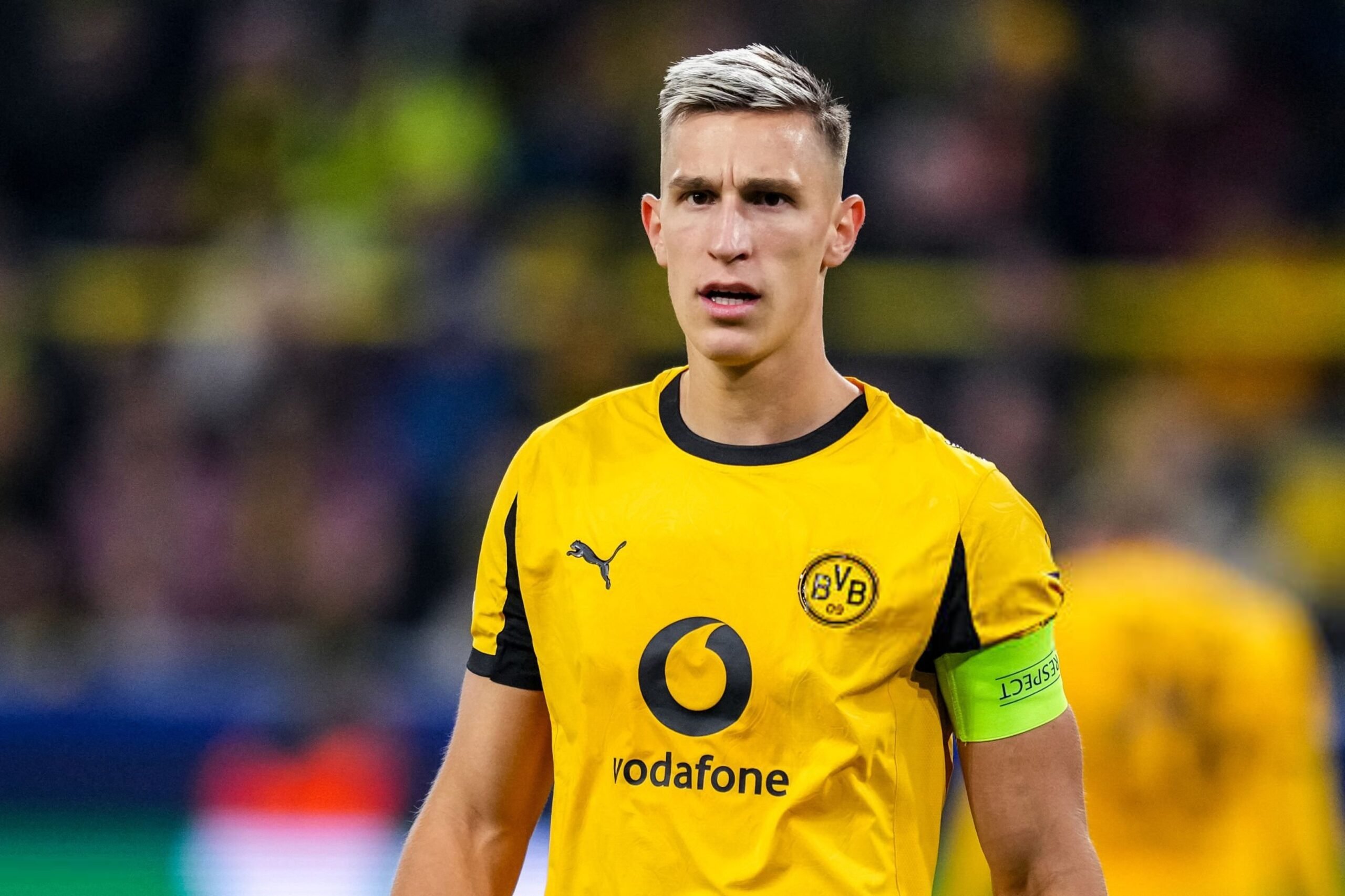
It is a measure of Jürgen Klopp’s enduring influence at Borussia Dortmund that, even 11 years on from his departure, the club’s current manager feels compelled to highlight the distinctions between his tenure and that of his feted predecessor. And it is ironic that, in doing so, Niko Kovac sounds so very much like Klopp.
“I played here many times before I was a coach,” says Kovac, 54, who has probably forgotten more about the Bundesliga than most will ever know. “It’s a working-class club with passion, desire, attitude and hard work in its DNA. They also want to see nice football here. I remember when Jürgen Klopp was here with his heavy metal football.
Niko Kovac: ‘Borussia Dortmund must look forward, not back’
“But these are different times, with different players, and it’s a different situation. We must look forward rather than back.”
No one would dispute that Kovac’s safety-first methods differ markedly from his predecessor’s more explosive style, yet his words are unmistakably redolent of Klopp’s first press conference as Liverpool manager.
“History is the base for us,” the German said on taking up the reins at Anfield in 2015. “It’s not allowed to take history in the backpack. You have to come in our race. I want to see the first step next week, but not always compare with other times.”
Niko Kovac: shades of Jürgen Klopp?
Like Klopp, who arrived on Merseyside with a managerial CV that included two Bundesliga titles and a Champions League final, Kovac brought a distinguished pedigree to Signal Iduna Park. Over the course of a decade-long playing career in the Bundesliga, he won a league and cup double with Bayern Munich; later, after establishing his coaching credentials with Croatia and Eintracht Frankfurt, he returned to the Bavarian club and repeated the feat.
So Kovac knew what he was about when he took on the Dortmund job this time last year with the club languishing in 11th place in the table. His first act was to toughen the fitness and mentality of his players; then, he set about improving the defence. Dortmund would finish the season with five straight league victories, securing fourth spot and a return to the Champions League, where Kovac’s side were eliminated by Barcelona in the quarter-finals only after threatening to overturn a 4-0 first-leg deficit, just as Klopp’s Liverpool did in 2019. Heavy metal football it wasn’t; effective, it undeniably was.
“We needed to create some defensive stability,” Kovac told the Athletic. “We moved to a back four [from a back three] and that wasn’t so successful, so we switched to a back five, because we didn’t have the stability we needed. The priority was a good defensive base; that was the main thing.
Kovac: ‘Our motto became KISS: keep it simple, stupid’
“We knew that we had to make adjustments, but also that we needed to keep it simple. And that became our motto: KISS – keep it simple, stupid. That helped. If you try to change everything and turn 180 degrees in the opposite direction, it’s impossible. There would be too many instructions coming from the coaches to the players.
“They have the pressure to perform and achieve their goals already, and then, at the same time, the coaches are trying to change everything. It’s too much. You can do more harm than good. So we worked on small things. The players had the quality to adapt to those changes very quickly.”
Despite a draining summer run to the last eight of the Club World Cup, that process of adaptation has continued. Dortmund, who will resume their league campaign at Eintracht Frankfurt on Friday night, went into the winter break in second place, nine points behind Bayern but with last season’s momentum broadly sustained.
Borussia Dortmund’s season: a tale of stuttering progress
The side’s continued if sometimes stuttering progress has been all the more impressive for the transfer speculation that has surrounded the likes of Germany defender Nico Schlotterbeck, who has been linked with Liverpool and Bayern Munich, and winger Karim Adeyemi, reputedly a target for Manchester United and Arsenal.
Before Christmas, the gap to Bayern, combined with last month’s German Cup defeat to Bayer Leverkusen and a Champions League draw with Norwegian minnows Bodo Glimt that shunted the club out of the automatic qualifying places for the last 16 of the Champions League, created a sense of crisis around Dortmund.
But the New Year offers the chance for a reset, and the pattern of Kovac’s reign to date suggests that could be good news for the club. Further evolution beckons.
“The club is what matters most,” says Kovac. “We need to be together. You have to build the foundation before you have the big house.”

 Forest Demand Guaranteed British Record as City’s £120m Anderson Bid Looms
- Rashford Wants Barca or Bayern — Spurs Are Just the Fallback Option
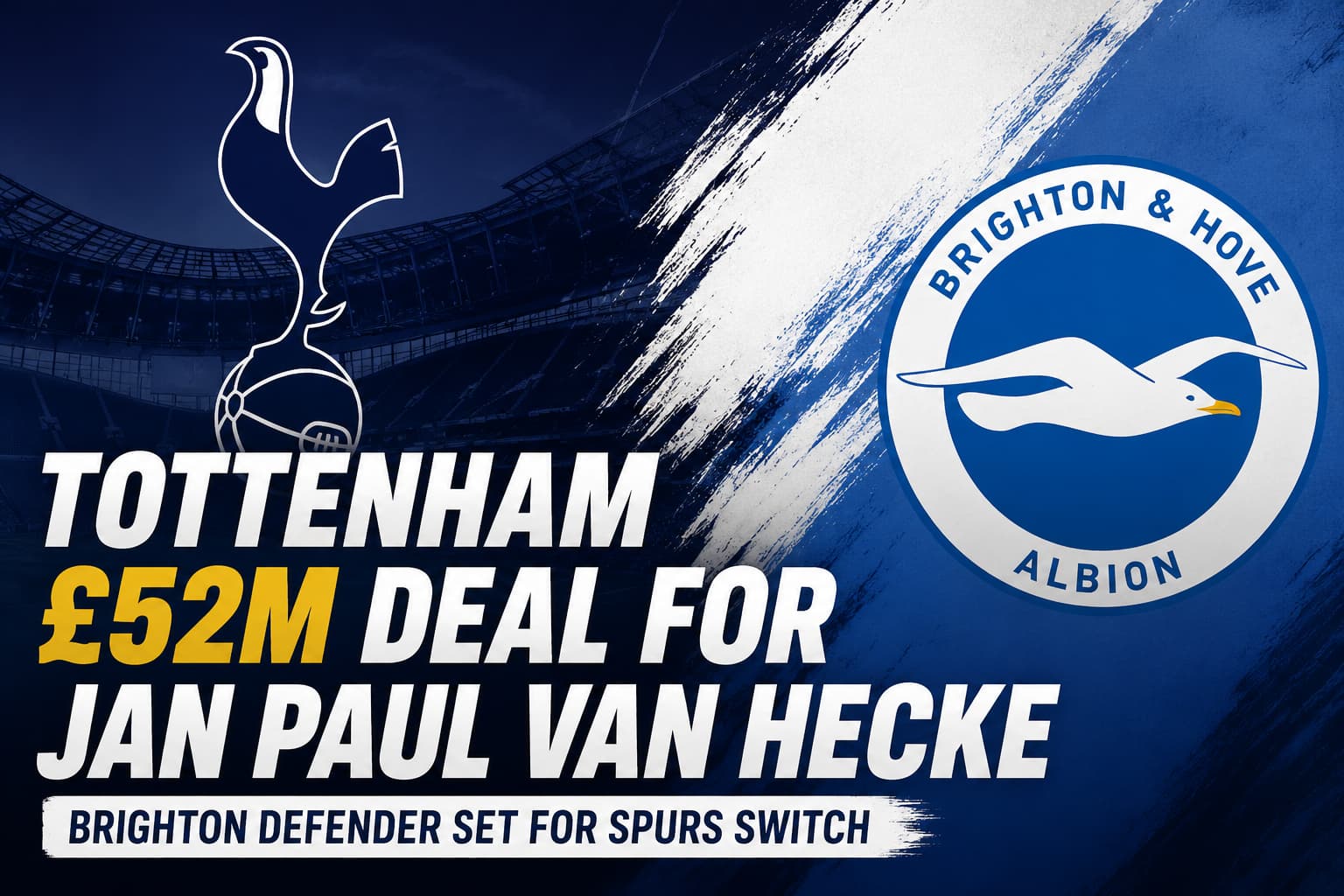
- Tottenham Agree £52m Fixed Fee for Brighton’s Van Hecke
- Tottenham Threaten to Hijack Summerville as United’s Window Unravels
- Liverpool and United Circle Juventus’s Thuram at €50m
- Arsenal agree personal terms with Manu Koné in €45m Roma deal
- Man United Target Summerville and Fernandes in £130m West Ham Double Deal
- Nico Paz Set to Stay at Como as Real Madrid Step Back
- Liverpool Chase £112m Diomande in Three-Way Battle
- Rashford Open to United Stay But Club Want Him Gone