It is often said you should never go back — but does that really apply in football?
The Premier League is full of second acts: legends returning for a last dance, academy heroes coming home, and big-money reunions that didn’t quite work out.
Cristiano Ronaldo, Didier Drogba and Thierry Henry are among those who signed for the same club twice.
But which other Premier League players rejoined their old clubs? FootballBlog.co.uk looks back at 11 players who went back, as well as looking forward at who might be the next to do so.
Premier League players who signed for the same club twice
Cristiano Ronaldo — Manchester United
Ronaldo’s return to Old Trafford in 2021 was one of the most high-profile comebacks in Premier League history. Signed from Juventus at the age of 36, he scored 27 goals in 40 appearances across all competitions during his second spell, including two against Newcastle on his second debut. United struggled collectively, but Ronaldo still functioned as their primary source of goals and attention.
But things soured quickly under new manager Erik ten Hag, who replaced Ole Gunnar Solskjaer midway through the 2021/22 season. Ronaldo was benched more regularly, walked down the tunnel early during a match against Tottenham and complained privately and publicly about his reduced role.
The situation exploded in November 2022 when he gave a bombshell interview to Piers Morgan, claiming he felt “betrayed” by the club and had “no respect” for Ten Hag. He also suggested senior figures at United tried to force him out and attacked the structure and lack of ambition at the club.
United reacted by terminating his contract by mutual consent before the January transfer window opened. No payout was agreed and Ronaldo finished his second spell with 145 goals in 346 total appearances for the club across both eras. His exit was abrupt and contentious, in stark contrast to the fanfare of his homecoming 15 months earlier.
He then joined Al-Nassr in Saudi Arabia on a deal widely reported as the most lucrative in football history, making him the world’s best-paid player. Three years on, Ronaldo’s earning power remains unmatched. He recently topped the Forbes list of the highest-paid footballers in 2025, despite turning 40 earlier this year.
Since moving to Riyadh, Ronaldo has scored 104 goals in 117 appearances across all competitions, averaging close to one per game. However, he is still chasing a first major trophy with the club. That could change soon — Ronaldo and Al-Nassr could win the Saudi Pro League this season after making a superb start to the campaign.

Cristiano Ronaldo scored 27 goals in 40 appearances during his second spell at Manchester United
Thierry Henry — Arsenal
Henry’s first spell at Arsenal turned him into a club icon and one of the greatest players in Premier League history. Signed by Arsene Wenger in 1999, he scored 228 goals and won two league titles, including his starring role in the 2003/04 Invincibles season. His move to Barcelona in 2007 was amicable, with most fans accepting his desire to chase the Champions League and extend his legacy abroad.
In January 2012, he returned to the Emirates on a short-term loan from New York Red Bulls to cover for players away at the Africa Cup of Nations. The move was driven as much by emotional symbolism as squad depth, but Henry immediately showed he still had the instincts and aura of a superstar.
He scored a trademark winner against Leeds United in the FA Cup on his second debut, curling the ball into the far corner with the same composure he had shown a decade earlier. A few weeks later he came off the bench to score a stoppage-time winner away to Sunderland in the Premier League, securing three vital points in Arsenal’s push for Champions League qualification.
Henry’s second spell was brief, but his influence extended well beyond those cameos. Younger players spoke of the lift his return gave the dressing room, while supporters relished the nostalgia without demanding the impossible. He left again with his legend intact and his bond with the club even stronger.
Didier Drogba — Chelsea
Drogba’s first Chelsea spell between 2004 and 2012 delivered four Premier League titles, four FA Cups and the club’s first Champions League. His crowning moment came in Munich, where he scored the late equaliser and the winning penalty against Bayern Munich in the 2012 Champions League final — his last act before leaving for Shanghai Shenhua.
When Jose Mourinho returned in 2013, there was talk of Drogba following him back to Stamford Bridge. The reunion finally happened in the summer of 2014, when he re-signed on a free transfer after spells in China and Turkey. Though no longer the main striker, his physicality, personality and experience were seen as valuable assets for a title-chasing squad.
Drogba contributed key goals in the cups and remained a trusted option off the bench as Chelsea went on to win the Premier League and League Cup in 2014/15.
His farewell the second time around was theatrical and affectionate. In his final home game, he was carried off the pitch by his team-mates, a moment that underlined how seamlessly he had re-entered the club’s mythology.
Wayne Rooney — Everton
Rooney burst onto the scene at Everton as a 16-year-old and became the face of English football before moving to Manchester United in 2004. Over 13 years at Old Trafford he became the club’s all-time leading scorer, won five Premier League titles and lifted the Champions League in 2008, leaving behind a legacy that few could match.
His 2017 return to Everton came after he fell down the pecking order under Jose Mourinho. Ronald Koeman wanted leadership and goals, and Rooney arrived to a hero’s welcome from fans who had mixed feelings about his original departure. There were questions about his fitness and role, but he provided immediate moments of quality.
He scored on his second debut against Stoke City and produced the goal of the season when he beat Joe Hart from the halfway line against West Ham. That night he completed a hat-trick, reminding fans of the talent and imagination that first made him a sensation as a teenager.
Although his second spell lasted only one season before he moved to D.C. United, it repaired his relationship with many Everton supporters and gave him a chance to close a chapter that had felt unfinished.
Gareth Bale — Tottenham Hotspur
Bale’s 2020/21 return from Real Madrid came seven years after he left Spurs as the most expensive footballer in the world. His first spell ended with that unforgettable 2012/13 season in which he scored 26 goals. By the time he came back on loan, his relationship with Real Madrid had broken down and Spurs fans saw the reunion as both sentimental and potentially game-changing.
The season was heavily disrupted by COVID and most matches were played behind closed doors, which muted the emotional impact of his comeback. Even so, Bale still produced flashes of his old brilliance — trademark runs, composed finishes and smart positioning in the final third. He ended the campaign with 16 goals in all competitions, including 11 in the Premier League, despite not always starting.
He wasn’t the one-man demolition job of 2013, but when he played regularly towards the end of the season, his quality in the final third was obvious. His brace against Leicester on the final day helped Spurs qualify for Europe.

Gareth Bale rejoined Tottenham on loan from Real Madrid for the 2020/21 season
David Luiz — Chelsea
Luiz’s first spell at Chelsea ended in 2014 when Jose Mourinho sold him to PSG for a then world-record fee for a defender. Two years later, Antonio Conte brought him back on deadline day in 2016, a move that was met with scepticism from fans and pundits who questioned whether he still had the discipline to anchor a defence.
His re-debut came in a bruising 3-0 defeat to Arsenal at the Emirates, a result that exposed Chelsea’s defensive issues and forced Conte into a tactical rethink. That loss sparked the switch to a 3-4-3 system, with Luiz deployed at the centre of a back three — a role that suited his range of passing, anticipation and ability to step out with the ball.
From that point, his season transformed. He became a key figure in a title-winning run built on clean sheets, clever positioning and long diagonals to the wing-backs. His composure and distribution helped define the system, and he was ever-present in a team that won 13 league games in a row on the way to the Premier League trophy.
Robbie Keane — Tottenham Hotspur
Keane’s first spell at Spurs between 2002 and 2008 made him one of the club’s most reliable scorers. He struck 107 goals in 254 appearances and formed iconic partnerships with the likes of Dimitar Berbatov and Jermain Defoe before moving to Liverpool in a £20m deal.
But his time at Anfield never fully clicked. Despite starting most games under Rafael Benitez, he was used inconsistently and left after just six months. Tottenham re-signed him for £16m in January 2009, making his return one of the quickest U-turns in Premier League history.
In his second spell, Keane scored 15 goals in 52 appearances and captained the side at times under Harry Redknapp. He remained sharp in the box and influential in the dressing room, even as Spurs’ squad evolved around him.
Although he later moved on via loans to Celtic and West Ham before joining LA Galaxy, his return reinforced his status as a fan favourite. Few players in the Premier League era have left and come back with such little disruption to their impact or popularity.
Robbie Fowler — Liverpool
Fowler’s 2006 return to Anfield was pure romance with a dash of practicality. After leaving in 2001 and scoring 171 goals in 330 games during his first spell, he rejoined Liverpool from Manchester City in the January window five years later under Rafa Benitez. He arrived on a short-term deal with modest expectations but was welcomed back like a cult hero.
He wasn’t the whirlwind forward of the mid-90s, but he still offered timely contributions. Across his second spell, Fowler scored 12 goals in 39 appearances and provided useful cover during a transitional period for the squad. His finishing instincts and link with the crowd made even substitute cameos feel significant.
At a club where nostalgia carries weight, his comeback was less about redefining himself and more about completing a bond. The numbers were respectable, but the symbolism mattered just as much — “God” came home, and he didn’t disappoint.
Romelu Lukaku — Chelsea
Signed as a prospect in 2011, Lukaku returned in 2021 as a £97.5m centrepiece.
A dominant debut hinted at a perfect fit, but rhythm never fully arrived and an ill-timed interview soured the arc. Within a year, he was back in Serie A on loan. Chelsea had expected a statement signing to lead the line for years, but his second spell became one of the most expensive misfires in Premier League history.

Romelu Lukaku’s second spell at Chelsea was disappointing and very costly for the club
Teddy Sheringham — Tottenham Hotspur
After leaving Spurs to win everything at Manchester United, Sheringham returned in 2001, 35 years old and still effortlessly sharp.
He led, linked and finished, proving that intelligence ages better than pace. Even without silverware, his professionalism and authority gave Tottenham a focal point they had lacked in the years between his two spells.
Juninho Paulista — Middlesbrough
Juninho didn’t just come back — he came back twice.
The Brazilian’s third spell delivered Boro’s first major trophy with the 2004 League Cup, a fitting reward for a player who had given Teesside both magic and hope across different eras.
Which Premier League players could rejoin their old clubs in future?
It is impossible to predict the future in football but there are number of players who are prime candidates to return to their old clubs before they retire.
Tottenham legend Harry Kane and former Newcastle star Elliot Anderson are two such candidates and both would be welcomed back with open arms.
Indeed, Spurs manager Thomas Frank said, albeit with his tongue in his cheek, back in September that Kane would be “more than welcome” to return amid speculation about an unusual release clause in his Bayern Munich contract.
Will Harry Kane go back to Tottenham?
Right now, there is no active move in place — but a return cannot be ruled out.
Kane left Tottenham to win trophies with Bayern Munich and he eventually achieved that dream, albeit not in his first season. He has scored close to a goal a game in Germany and removed the one big question mark that followed him throughout his Spurs career.

Harry Kane left Spurs for Bayern Munich in August 2023 but could he return to north London one day?
The Premier League goals record is the biggest reason the speculation persists. Kane departed with 213 goals, just 47 short of Alan Shearer’s 260. A comeback in his early 30s would give him a genuine chance of becoming the league’s all-time top scorer, and Tottenham would almost certainly take him back if the opportunity arose.
There is also continued intrigue around his contract. Manager Vincent Kompany has publicly reinforced the importance of Kane at Bayern, calling him “a leader in our team”, but those words have not killed the story entirely.
Until he either signs an extension in Germany or retires, the door to Spurs will never feel fully closed. Fans believe it, pundits hint at it and Kane himself has previously refused to rule it out.
Will Elliot Anderson go back to Newcastle?
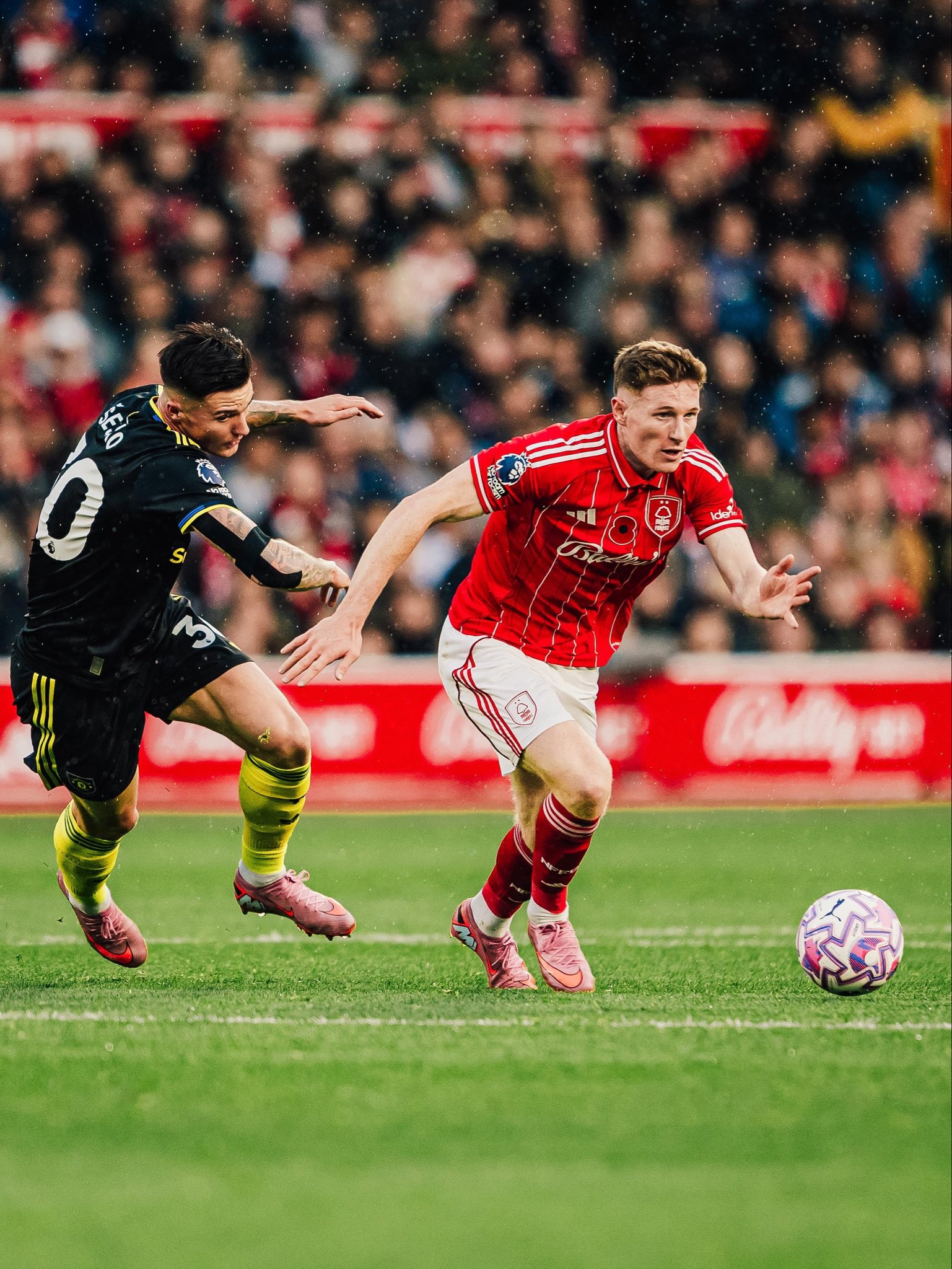
There is every chance of Elliot Anderson returning to Newcastle at some point.
Rumours of a possible return have been fueled by talk of genuine warmth between Anderson and Newcastle’s new sporting director Ross Wilson, who was heavily involved in bringing him to Nottingham Forest.
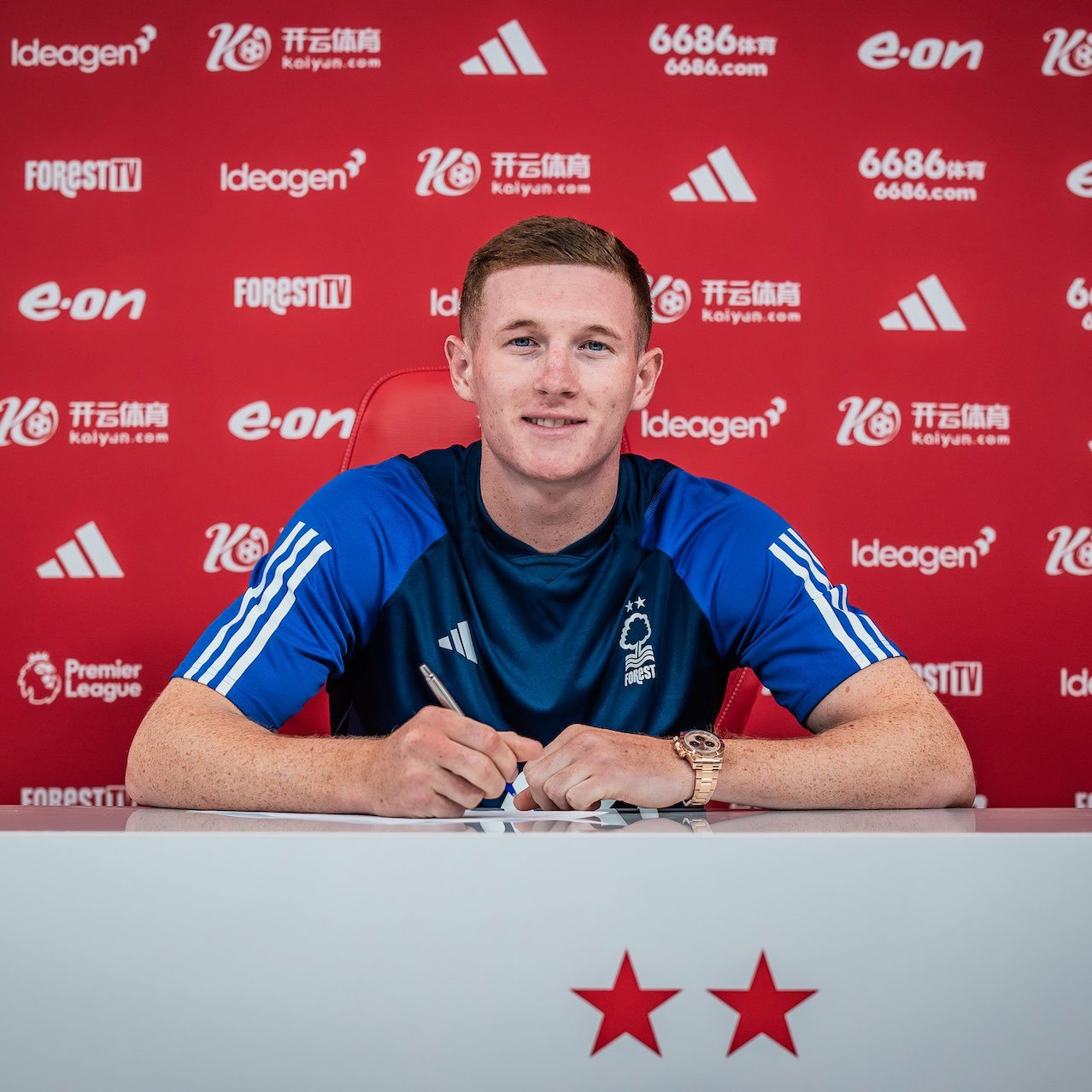
Elliot Anderson signed for Nottingham Forest in 2024 but he remains a Newcastle fan
It is understood that there is no buy-back clause in place, meaning any future move could be expensive and competitive, with multiple elite suitors likely.
But Anderson is a Newcastle fan and it was widely claimed that he never wanted to leave. His departure to Forest in the summer of 2024 was driven by Newcastle’s need to raise funds quickly to stay within Profit and Sustainability Rules, rather than a desire to offload him.
He was a homegrown academy product who many at the club felt should have stayed.
His development since has only strengthened the idea that he could return in the future. Under Nuno Espirito Santo he moved into a deeper midfield role and became one of Forest’s most important players. Since Nuno was sacked and replaced by Ange Postecoglou, Anderson has kept his place and continues to play regularly, which has helped his England prospects enormously.
Eddie Howe has previously spoken about how reluctant the club were to sell him and publicly hinted that he would take him back if circumstances allowed.

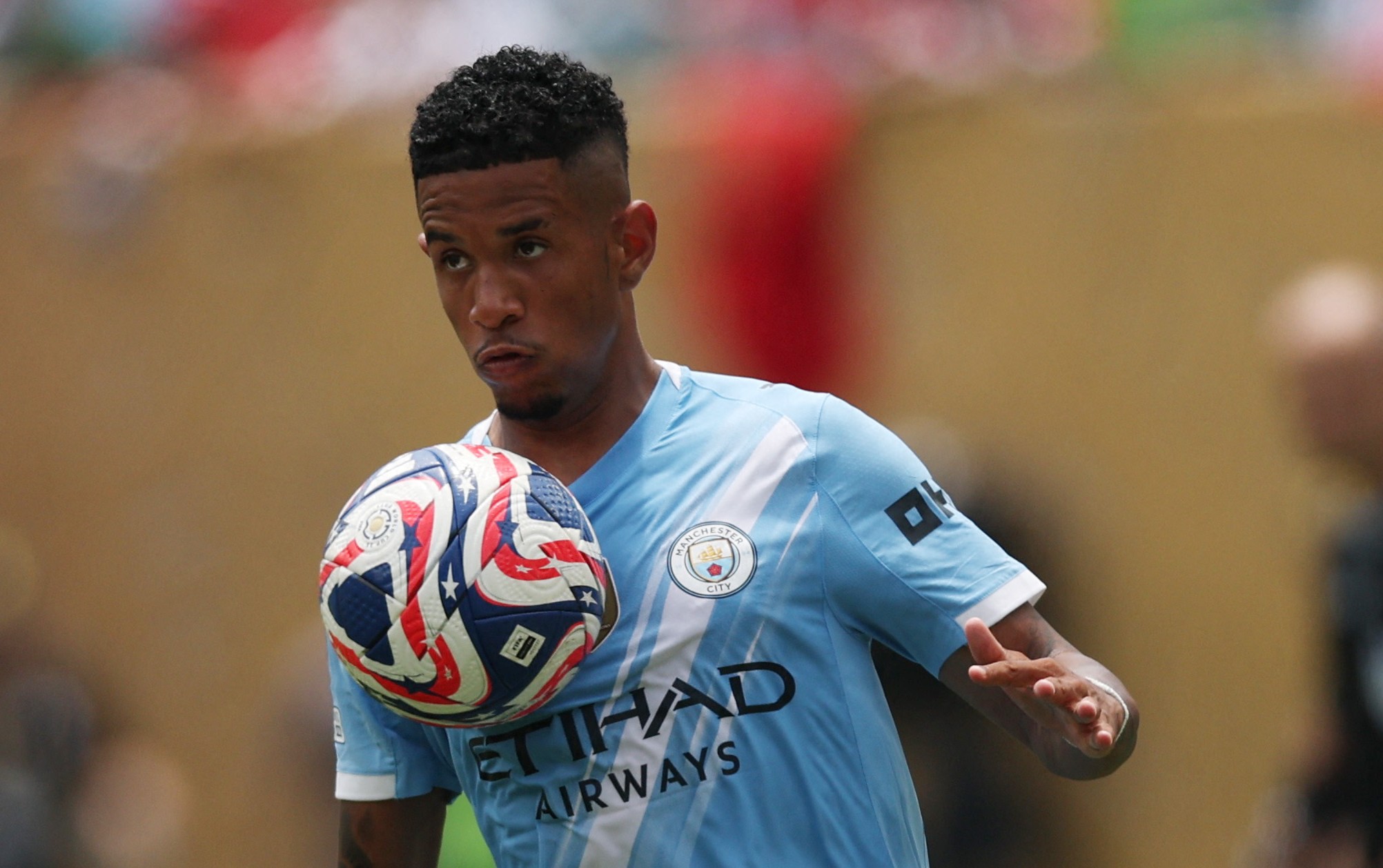
 Savinho to Spurs: City Must Now Decide on £60m Sale
- Meslier Joins Arsenal on a Free as Kepa Prepares to Exit
- Forest Demand Guaranteed British Record as City’s £120m Anderson Bid Looms
- Rashford Wants Barca or Bayern — Spurs Are Just the Fallback Option
- Tottenham Agree £52m Fixed Fee for Brighton’s Van Hecke
- Tottenham Threaten to Hijack Summerville as United’s Window Unravels
- Liverpool and United Circle Juventus’s Thuram at €50m
- Arsenal agree personal terms with Manu Koné in €45m Roma deal
- Man United Target Summerville and Fernandes in £130m West Ham Double Deal
- Nico Paz Set to Stay at Como as Real Madrid Step Back