For almost a quarter of a century, Daniel Levy was the face of Tottenham Hotspur. His time as executive chairman began in March 2001 and ended this week, in September 2025. He had been the Premier League’s longest-serving chairman. Across his 24 years, Levy divided opinion like few others in English football. To some, he was a moderniser who transformed Spurs into a global heavyweight. To others, he was a penny-pincher whose cautious approach cost the club silverware.
Levy’s departure came suddenly, but perhaps not entirely as a shock. The Lewis family, through their ENIC ownership vehicle, decided it was time for a new era at Tottenham. Levy was “stepped down” rather than stepping away, with Peter Charrington appointed as non-executive chairman and Vinai Venkatesham elevated to a more prominent role as CEO. The timing was deliberate, coming just after the summer transfer window, to give the new leadership a clear run at the season ahead.
Yet despite Levy’s exit, many Tottenham supporters are unsure how much has really changed. Ownership remains with the Lewis family, and well-placed sources suggest Levy was always working to their blueprint rather than acting as a one-man ruler. The suspicion among some fans is that the same cautious financial model will continue to dictate decision-making. In other words, Levy may be gone from his office at Lilywhite House, but his legacy — and his methods — may linger on.
So how should his legacy be judged? And, crucially, was Daniel Levy a good Tottenham chairman?
What Daniel Levy got right as Tottenham chairman
Building the Tottenham Hotspur Stadium
One of Levy’s greatest achievements was overseeing the construction of the Tottenham Hotspur Stadium. Opened in 2019, it has been described as one of the best — if not the best — football grounds in the world. From its cutting-edge facilities to its clever design that helps retain atmosphere, it has set a new standard for modern arenas.
The stadium has also been a huge driver of revenue. Its retractable pitch makes it the only purpose-built NFL venue outside the United States, while its ability to host major concerts, boxing bouts, and other events has created a lucrative additional income stream. This off-pitch success has allowed Spurs to compete financially with wealthier rivals.

Daniel Levy’s biggest achievement as chairman was overseeing the construction of the Tottenham Hotspur Stadium
Financial control
Spurs fans often found Levy’s financial prudence frustrating, but his cautious approach kept the club a long way from the kind of peril that has sunk others. His insistence on balancing the books and refusing to overspend meant Tottenham could move into their new stadium without the burden of crippling debt.
The contrast with other clubs is stark. Sheffield Wednesday, for example, were long considered to be on a par with Tottenham but are now mired in financial trouble and seemingly headed for League One, if not complete extinction. Under Levy, Spurs may have missed out on headline signings, but their stability was never under serious threat.
But one thing Levy and Wednesday’s controversial owner Dejphon Chansiri have in common is that they have both been the subject of fan protests. One Spurs fan was even reportedly banned from the club indefinitely recently following an offensive social media post about Levy.
Raising the level on the pitch
While Spurs only won two trophies during the Levy era — the League Cup in 2008 and the Europa League in 2025 — the club became far more competitive overall.
In the 10 seasons prior to his appointment in 2001, Tottenham finished 12th, 10th, 11th, 14th, 10th, eighth, seventh, 15th, eighth and 15th in the Premier League. By contrast, their last 10 league finishes before Ange Postecoglou’s final campaign were fifth, eighth, fourth, seventh, sixth, fourth, third, second, third and fifth.
Although he also oversaw Tottenham’s worst-ever Premier League finish of 17th in 2025, that season was very much an anomaly. The broader picture is one of steady improvement. As the club statement announcing Levy’s departure highlighted, Spurs competed in Europe in 18 of the last 20 seasons.
Tottenham also became firmly established as part of the Premier League’s “Big Six” under Levy, a status underlined by their brief involvement in plans for the controversial European Super League in 2021.
What Daniel Levy did wrong as Tottenham chairman
Sacking Jose Mourinho
Levy hired and fired 16 managers during his reign. That is a big number, but not wildly out of step with the churn seen at many modern clubs.
His most questionable dismissal was that of Jose Mourinho, who was sacked in April 2021 just six days before Tottenham faced Manchester City in the Carabao Cup final.
When Mourinho had been appointed as Mauricio Pochettino’s replacement 516 days earlier, Levy had declared: “In Jose we have one of the most successful managers in football. He has a wealth of experience, can inspire teams and is a great tactician. He has won honours at every club he has coached.”
But Mourinho was denied the chance to add to that record. Under caretaker Ryan Mason, Spurs lost the final 1-0, though the margin could easily have been greater as City recorded 21 shots to Tottenham’s two.
Relations between Mourinho and the club were strained by the time he was shown the door, but it was the timing that baffled most observers. Similarly, the manner of Martin Jol’s sacking in October 2007 — with reports breaking during Spurs’ UEFA Cup defeat by Getafe — also left the club looking amateurish.
Levy’s final firing saw Postecoglou dismissed 16 days after winning the Europa League.

Levy (right) sacked 16 Tottenham managers, including Ange Postecoglou (left)
Transfer failures
Levy’s tight stance on transfers has seen Spurs miss out on some huge signings down the years.
A case in point would be Tottenham’s 2018 offer for Jack Grealish of £3m plus Josh Onomah. Aston Villa were asking for around £30m. Levy refused to get anywhere near that valuation and Grealish eventually joined Manchester City for £100m three years later.
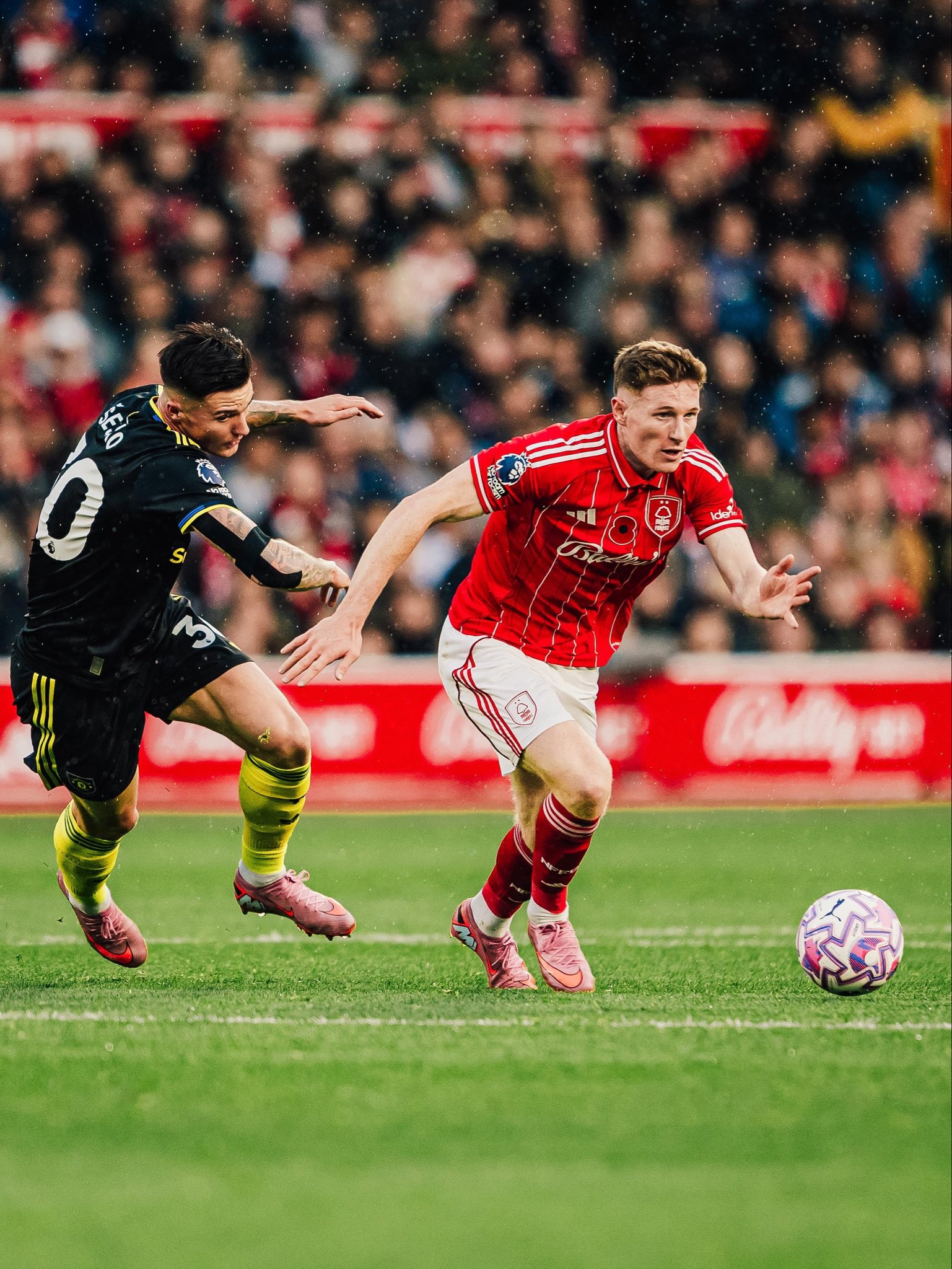
Levy also famously dropped the ball in negotiations with the likes of Eden Hazard and Willian, while just this summer he missed out on Morgan Gibbs-White after losing a battle with Nottingham Forest owner Evangelos Marinakis.
Not backing Mauricio Pochettino
Thursday’s statement that announced Levy’s departure spoke of the club’s commitment to delivering “long-term sporting success”.
However, many fans would argue that this was not a top priority during the Levy years.
Spurs came very close to winning an elite trophy under Mauricio Pochettino. Over the 2015-16 and 2016-17 seasons combined, Tottenham won more Premier League points than any other team, although they finished second and third respectively in those individual campaigns.
Then in 2019, Pochettino took Tottenham all the way to the final of the Champions League, where they lost to Liverpool.
Pochettino had Tottenham competing at the top of English and European football, despite having spent just a fraction of the clubs they were then rivalling.
But rather than rewarding Pochettino by trusting him with the signings needed to maintain Spurs at that level, or even push them over the winning line, Levy kept his wallet firmly in his pocket.
Spurs made headlines in 2018 by becoming the first Premier League team in 15 years not to make a single summer signing. They followed this up by not signing anyone in the January window either, despite selling Mousa Dembélé.
The fact Pochettino was able to reach the Champions League final with such little backing was nothing short of miraculous. But by then, their ability to challenge for the Premier League was over. They finished 27 points behind Manchester City in 2019 and have not ended a campaign within 20 points of the champions since.
Fans will forever wonder what might have been if Pochettino was allowed to build on Tottenham’s best team of the Premier League era.

 Forest Demand Guaranteed British Record as City’s £120m Anderson Bid Looms
- Rashford Wants Barca or Bayern — Spurs Are Just the Fallback Option
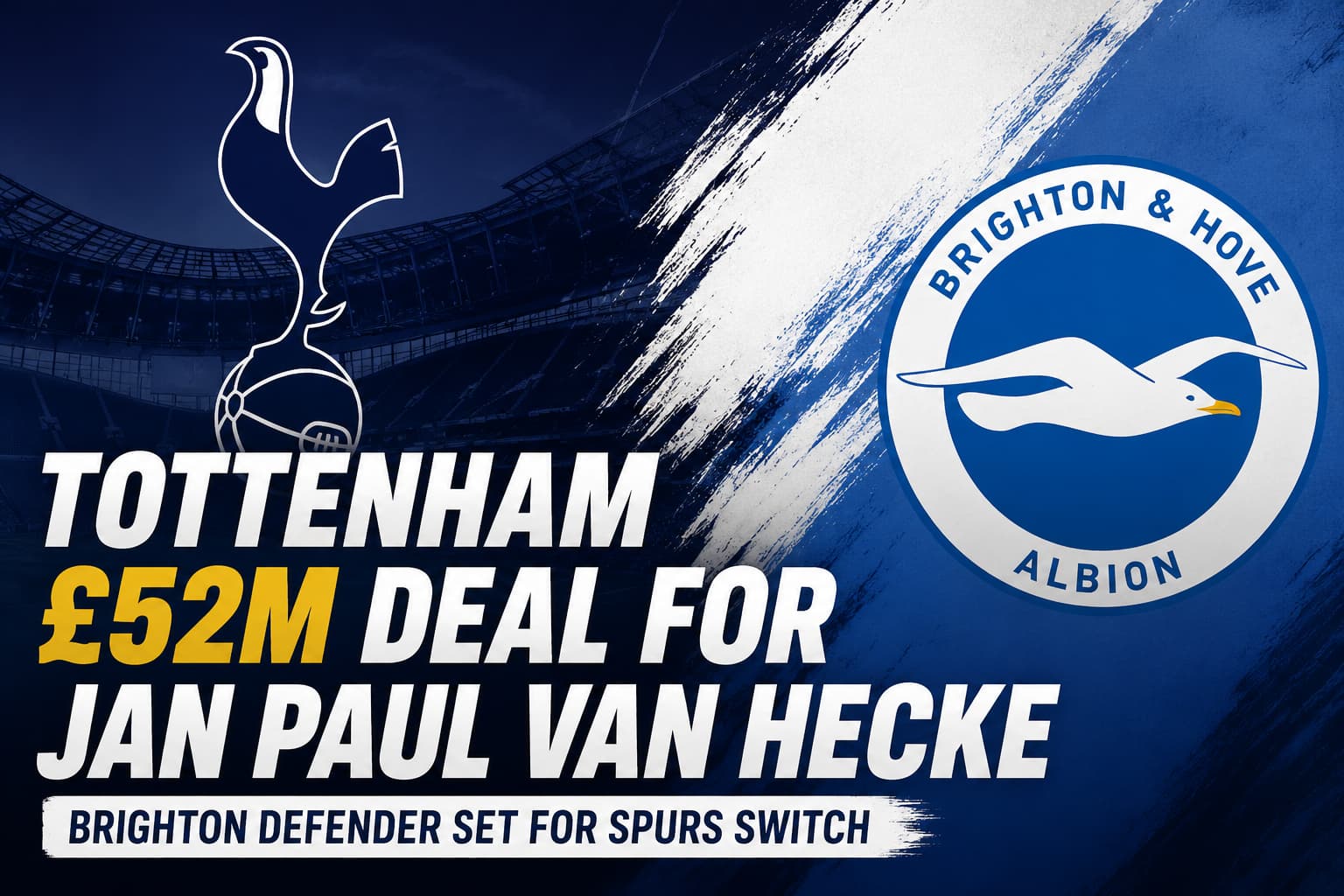
- Tottenham Agree £52m Fixed Fee for Brighton’s Van Hecke
- Tottenham Threaten to Hijack Summerville as United’s Window Unravels
- Liverpool and United Circle Juventus’s Thuram at €50m
- Arsenal agree personal terms with Manu Koné in €45m Roma deal
- Man United Target Summerville and Fernandes in £130m West Ham Double Deal
- Nico Paz Set to Stay at Como as Real Madrid Step Back
- Liverpool Chase £112m Diomande in Three-Way Battle
- Rashford Open to United Stay But Club Want Him Gone