
Along with scores of England fans around the country I sat glued to my web browser on the afternoon of the 14th December 2007 eagerly awaiting confirmation of Fabio Capello’s appointment as England’s new Head Coach.
As supporters, England fans had good cause for optimism in the new ‘Capello’s England’. After the disappointing Euro ’08 qualifying campaign had ended under the shelter of Steve McClaren’s brolly at Wembley the previous November, surely here England had appointed a coach capable of extracting the best from England’s perennially underachieving squad. A man with a fearsome reputation across world football, as well as the mental strength to cope with the pressures of what is widely regarded as the toughest job in European football.
Fast forward two-and-a-half years to the 27th June 2010, and England fans were once again left sat dejected wondering where their World Cup dreams had all gone wrong. Despite an impressive qualifying campaign in which England had won 9 and lost just 1 away in the Ukraine – a game in which they had played just under 80mins with 10men following Robert Green’s 1st half dismissal, the team failed to recreate the form that had seen them installed 3rd favourites to lift the trophy in South Africa.
Whilst I feel it is right that Capello accepts his share of the inevitable fallout from the squad’s plummet from pre-competition grace, and essential that the lessons of our 16day stint in South Africa are examined and learnt, I do not necessarily concur that removing him from his position at the helm of the National Side will be in the best interest of the future of the squad. In appointing Capello to his position, which would see him earn a salary of more than double of his nearest World Cup rival (Javier Aguirre of Mexico £2.7m), the FA would surely have been aware of several factors which would hinder Capello’s ability to deliver England’s first major trophy in 40years.
Primarily, whilst Capello carries an enviable CV, he held no managerial experience of international competition. I am sure, at least privately, Capello will admit that some of his coaching methods that will have been immensely successful throughout his club career, simply did not work in the highly pressurised situation that is preparing a team to compete on the world stage, and indeed some situations both before and during the World Cup that with hindsight could have been handled and approached in a manner ultimately more beneficial to the team.
It was seven months into the job before Capello felt comfortable enough to deliver his first press conference in English, and whilst he now appears untroubled to an extent with the English language it is reasonable to expect that he would find it more difficult to communicate his ideas to the players than other previously successful foreign imports such as Wenger, Mourinho and Jol who arrived extensive English speakers.
Having now benefited from two years in the job, and having taken part in his first international tournament, should the FA deem it that Capello has retained the respect of the dressing room, then he is indeed arguably now a stronger candidate than in 2007.
There are many England fans, myself included that have been frustrated with use of Steven Gerrard wide on the left of midfield. Many will argue that Gerrard’s international career has been stifled by his constant use in the un-preferred position ever since Sven Goran Eriksson first tried it in the build-up to the 2004 European Championship. Upon Fabio’s appointment to the job I did indeed expect the issue of balance in the midfield to be immediately addressed with either Gerrard or Frank Lampard left out of the team, or a five man midfield deployed.
However, Gerrard was positioned on the left-hand side throughout most of the successful qualifying campaign, and it can not be argued that it is impossible for Gerrard to affect the game from this position. The cruciate knee ligament injury suffered by Joe Cole midway through the qualifying campaign did little to help the situation, with Capello not appearing to fancy Aston Villa duo Ashley Young or Stewart Downing for the role.

It is of greater concern if England are to stick with Capello that when things started to go awry against USA in Rustenburg that Capello appeared to have no alternative tactical ploy to unlock the opposition defence. This was particularly apparent in the following game against Algeria.
It is amazing that only the Tottenham and the West Ham players within the squad play regular 4-4-2 formation football in the Premier League, and yet we have gone to a World Cup without even testing 4-3-3 or 4-5-1 systems. Capello’s limitations in this respect must be addressed.
Finally, if the FA do decide to expel Fabio Capello, they must first determine whether there is a successor with the qualities to improve the team. With the press clamouring for an English successor, the options appear limited to either Roy Hodgson or Harry Redknapp. Either has the potential to succeed in the job – as does Capello, and both are well liked by the English media. Alternatively they could plumb for another foreign manager Guus Hiddink perhaps. Either way with Fabio and his backroom team’s compensation packages, as well the potential compensation to the club of the new manager change will not come cheap for the FA.
This is my 1st article so any CONSTRUCTIVE criticisms would be welcome. Thanks for reading.

 Savinho to Spurs: City Must Now Decide on £60m Sale
- Meslier Joins Arsenal on a Free as Kepa Prepares to Exit
- Forest Demand Guaranteed British Record as City’s £120m Anderson Bid Looms
- Rashford Wants Barca or Bayern — Spurs Are Just the Fallback Option
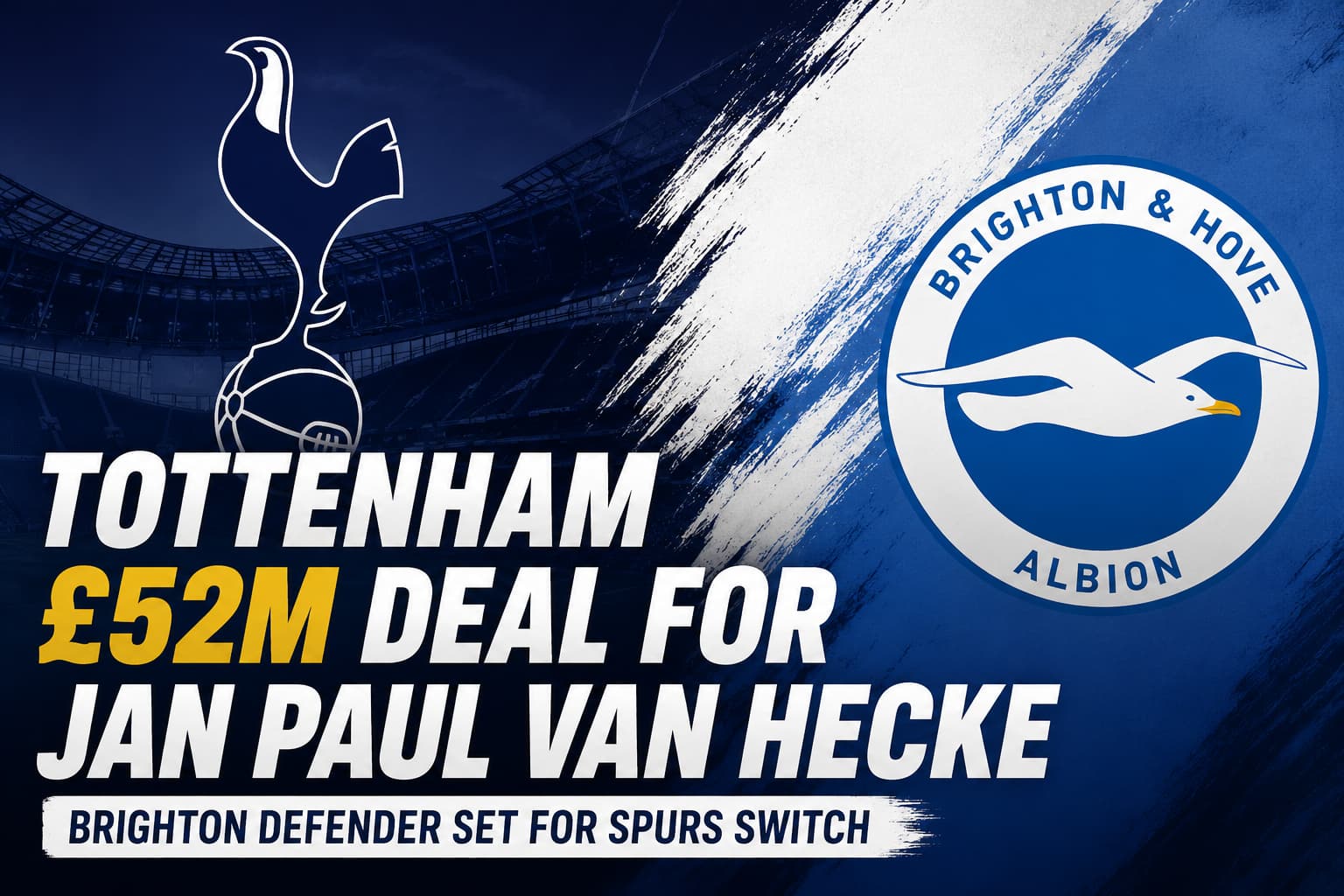
- Tottenham Agree £52m Fixed Fee for Brighton’s Van Hecke
- Tottenham Threaten to Hijack Summerville as United’s Window Unravels
- Liverpool and United Circle Juventus’s Thuram at €50m
- Arsenal agree personal terms with Manu Koné in €45m Roma deal
- Man United Target Summerville and Fernandes in £130m West Ham Double Deal
- Nico Paz Set to Stay at Como as Real Madrid Step Back











1 Comment
You must be logged in to post a comment Login