
I went to watch my Nephew last Sunday play in his Under-7’s league. By 2017, the winner of that will be given automatic entry into the group stage of the Uefa Champions League. That’s what I assume anyway, given the current rate of expansion of Europe’s premier footballing competition. The recent news that the Champions League could be expanded to 64 teams entering the competition at the group stage should come as no surprise. Making things bigger seems to be the stock answer to most Uefa issues. Champions League? Make it bigger. The Uefa Cup isn’t working? Make it bigger and change it’s name. The European Championships? Yep, you guessed it. I can only imagine it has been Uefa in charge of James Corden’s waistline all these years. But these recent changes bear closer inspection. The legend and mystique that accompanies the promised land commonly known as “the top 4” could be under threat. A planned expansion could see five or six teams qualifying, theoretically giving England more chance of European success. But will this be the case? And even if no such expansion takes place, is English success on the continent about to become an endangered species?
2005 to 2012, they were good times weren’t they? It felt like you couldn’t watch football on a Tuesday or Wednesday night without an English club side doing continental teams some serious damage. For many years it seemed inevitable that an English team would reach the final, it just became a matter of which one and how many. Although Manchester United triumphed in 1999, it was’t until the middle of the last decade when English clubs really started to dominate. In the eight finals to take place in the period mentioned above, only the final of 2010 was contested without the presence of an English club. Four different English clubs have made the final with three of them lifting the trophy. The top 4 had become an elite. They monopolised the Champions League places and reaped the riches which followed. Of the 32 places up for grabs to English clubs over that period, 30 of them went to the same four teams. Only in the last two years has their grip been loosened and in Economic parlance, its taken a shitload of money to do it.
It is no consequence that this sustained success came as result of the same teams qualifying for the competition year after year. While the rest of the Premier League fed off the scraps, Arsenal, Chelsea, Manchester United and Liverpool dined at Europe’s finest table. The astronomical financial rewards for being a part of the Champions League meant the gap widened between the top 4 and rest. They could constantly budget on the fact that they knew the honey pot was there to bail them out. It became a closed shop.They had the economic security to recruit and keep the best talent around, whilst being able to offer potential targets the guarantee of Champions League football. It became a cycle of prosperity for all four clubs and a golden period of English results on the European stage. A static, consistent top 4 worked for English clubs. The emergence of Manchester City has changed everything.
The spending of power of Manchester City has been the defining factor in finally upsetting the equilibrium which had existed at the summit of the Premier League. In the last two seasons, Liverpool have failed to qualify for the Champions League and thus breaking the monopoly. Tottenham ultimately pipped City to that final place in 2010, whilst it was City themselves who gained entry in 2011. The rise of Manchester City was too big to ignore, their financial capability dwarfed that of even those teams such as Liverpool who had enjoyed years of Champions League funds. No longer could that traditional top 4 roll the dice knowing that the deck was stacked firmly in their favour. Usually in markets, competition is healthy. But in this instance it has become counter-productive. Teams such as Arsenal and Liverpool now know qualification is not a given (in Liverpool’s case far from it). They cannot tempt players with the lure of sure-fire Champions League action otherwise they risk falling off the cliff and into the footballing abyss. Moreover, it means English teams are now less competitive in Europe. Granted, Chelsea did lift the trophy last year but even Chelsea fans would admit their run bordered on miracle proportions. Aside from Chelsea, the performance of the other English clubs was woeful. City and United failed to make it out of the Group Stage. Arsenal got a hiding in Milan and could not recover.
This unconvincing form has spilled over into this years incarnation. Again only two sides of the four have made it past the group stages and of those that remain, Arsenal look about as convincing as a George Osborne Autumn Statement. Manchester United won their group with room to spare but still have plenty to prove after last years Group Stage debacle. Chelsea looked like a team living off past glories, mired in their own internal problems while progressive teams like Juventus have passed them by. Manchester City looked like a third-rate European team. They never looked like they belong on the top European stage, outplayed for large parts by Dortmund, Real Madrid and even Ajax.
This all means that there is a feeling the tide has turned. The Bundesliga no longer looks reliant on Bayern to carry their hopes. Dortmund look a genuine threat to be overall winners and Schalke showcased plenty of talent in topping the group which contained Arsenal. The growth and potential of PSG has brought another barrier to English success. The European landscape appears to in a state of flux, with the traditional European powerhouses of England and Italy being potentially replaced by Germany and France. With English clubs taking the Europa League about as seriously as I would view “A Thesis on Nietzsche” by Tulisa, England could be ready for a barren spell in Europe. In the long run it may actually lead to England losing Champions League places rather than gaining them. A further decline in performances and results could find English football sliding further down the pecking order and improvements will be needed to prevent it becoming the sick man of Europe in the coming years.

 Savinho to Spurs: City Must Now Decide on £60m Sale
- Meslier Joins Arsenal on a Free as Kepa Prepares to Exit
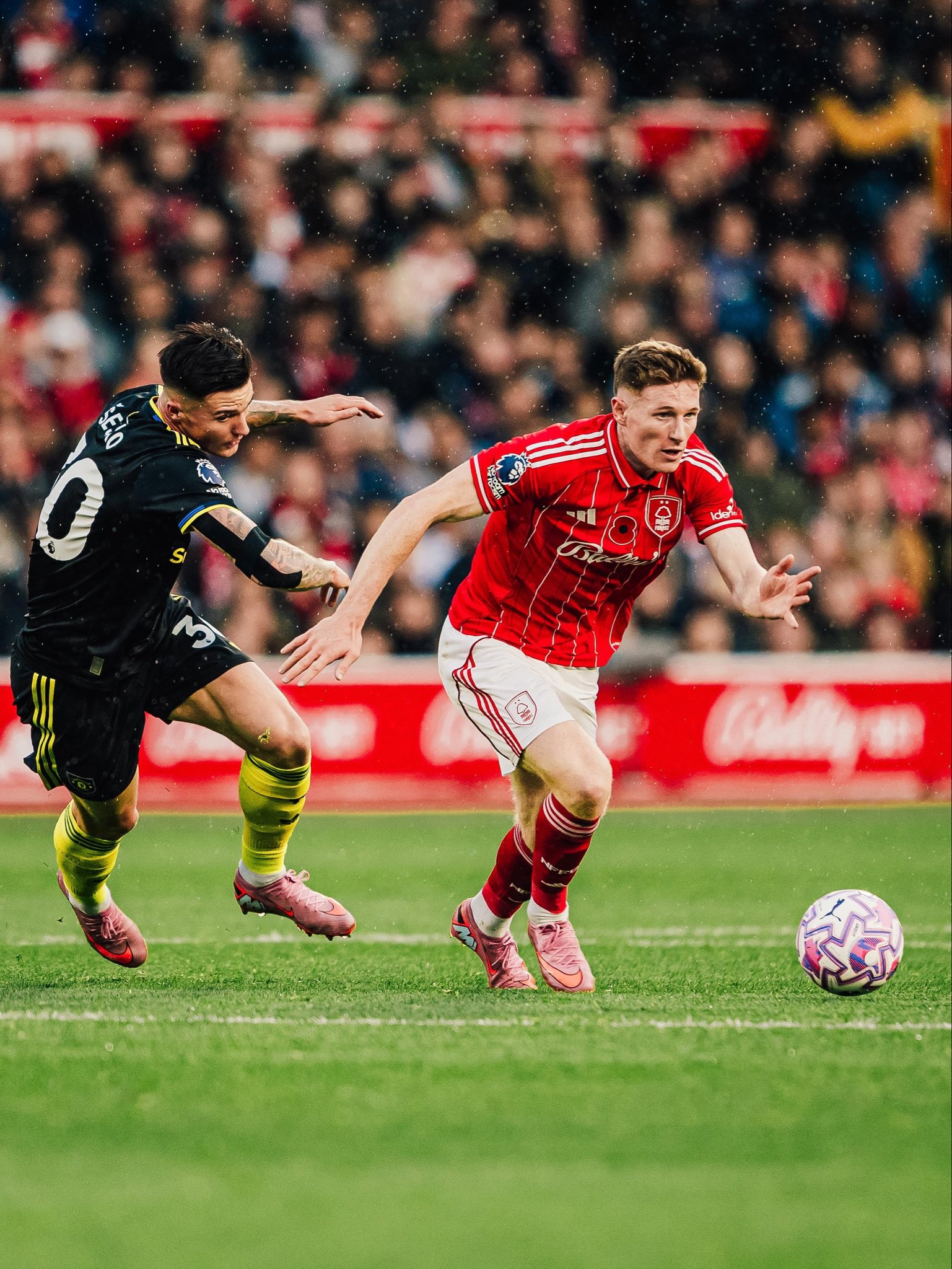
- Forest Demand Guaranteed British Record as City’s £120m Anderson Bid Looms
- Rashford Wants Barca or Bayern — Spurs Are Just the Fallback Option
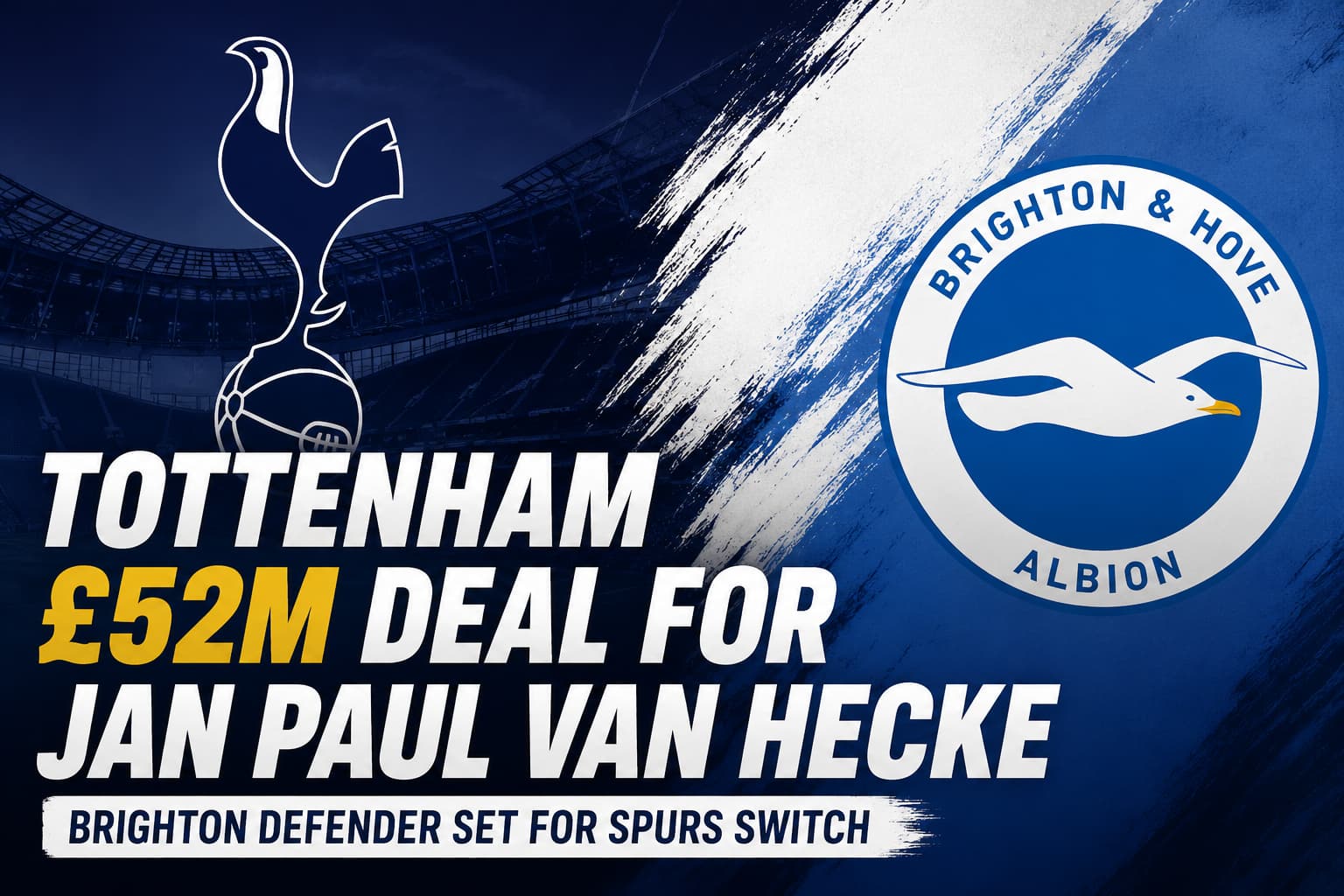
- Tottenham Agree £52m Fixed Fee for Brighton’s Van Hecke
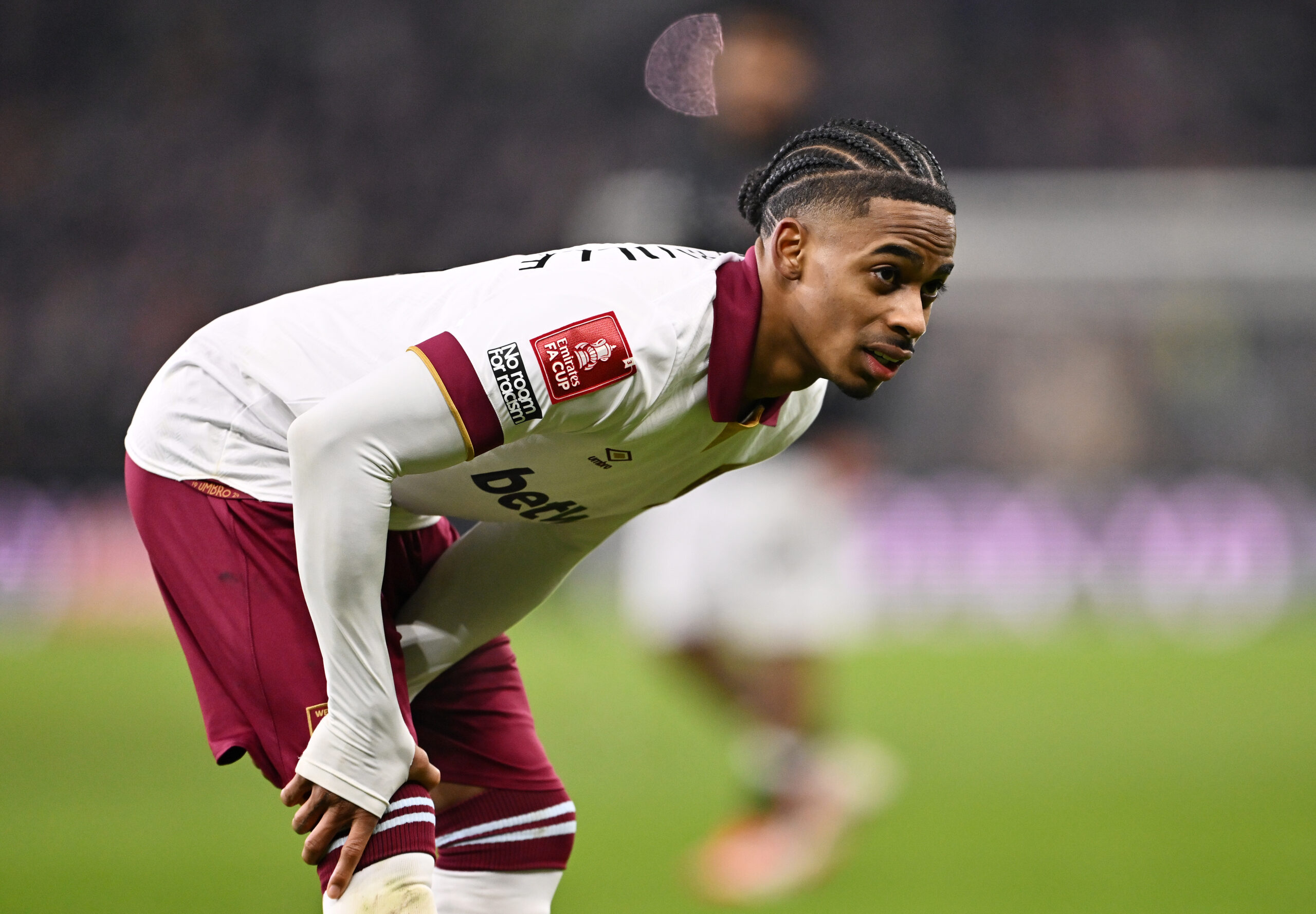
- Tottenham Threaten to Hijack Summerville as United’s Window Unravels
- Liverpool and United Circle Juventus’s Thuram at €50m
- Arsenal agree personal terms with Manu Koné in €45m Roma deal
- Man United Target Summerville and Fernandes in £130m West Ham Double Deal
- Nico Paz Set to Stay at Como as Real Madrid Step Back









You must be logged in to post a comment Login