European clubs travelling the globe to feature in high-profile exhibition matches has become the new normal in pre-season in recent years, but these friendlies are no longer confined to the summer.
This Friday (October 10), Champions League contenders Inter Milan and Atletico Madrid are heading to Libya to contest the newly created Reconstruction Cup-FDRL — a match that has raised eyebrows across European football and prompted questions about money, security and geopolitics.
Why are Inter Milan playing Atletico Madrid in Libya?
Inter Milan and Atletico Madrid have accepted an invitation to play a one-off friendly in Benghazi during the October international break. With most of their first-team stars away on international duty, both clubs were open to exhibition fixtures to keep their wider squads active and generate revenue.
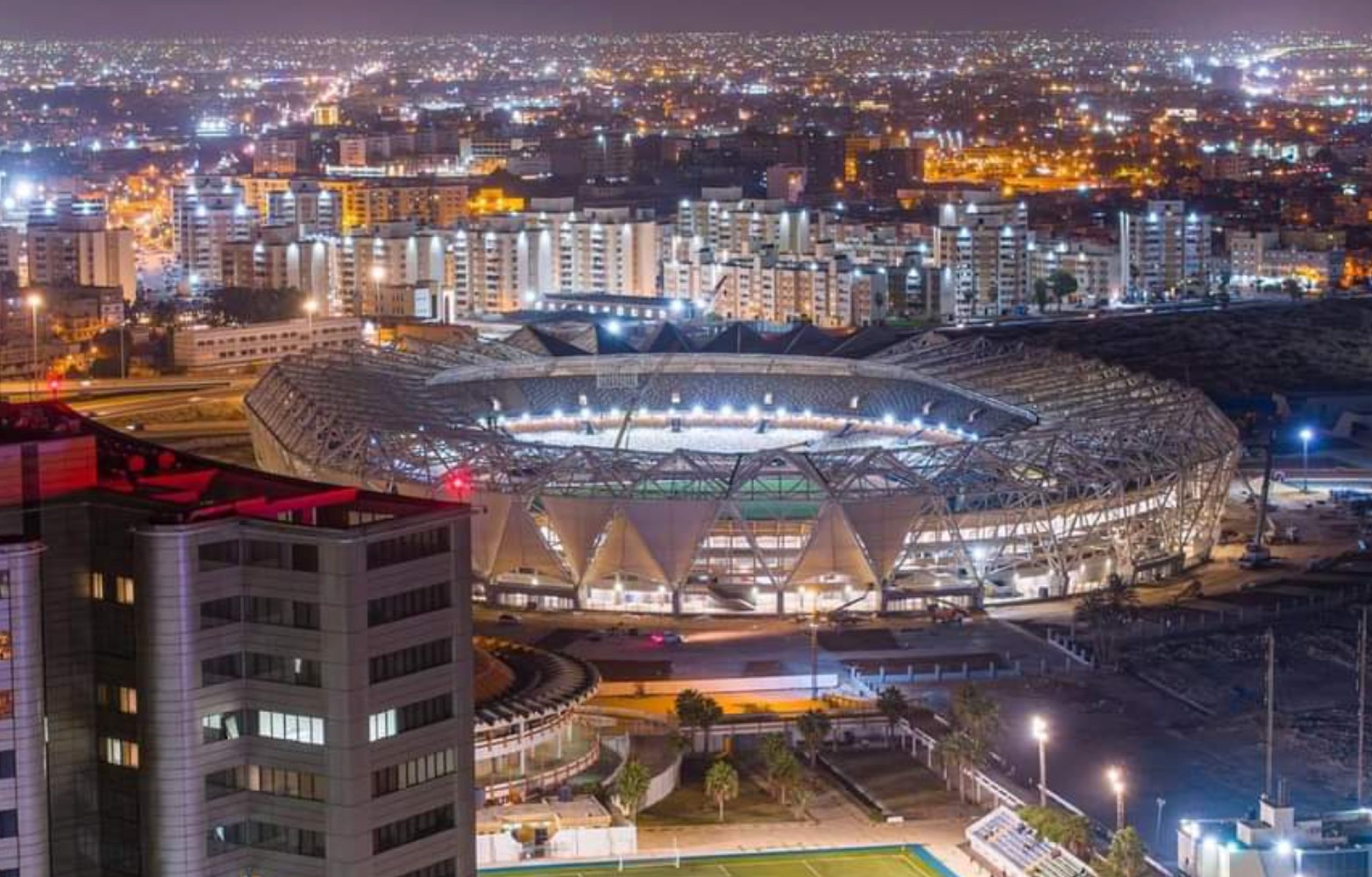
The match is being staged at the newly refurbished Benghazi International Stadium, which has been promoted by local organisers as a symbol of recovery and investment after years of conflict. The game is positioned as a showcase event designed to put Libya back on the football map and demonstrate its ability to host high-profile matches.
The Libya Development and Reconstruction Fund (FDRL) approached both clubs directly, with the offer of substantial appearance fees and a high level of logistical control to minimise time spent in the country.
What is the Reconstruction Cup-FDRL?
The Reconstruction Cup-FDRL is a one-off exhibition match organised by the Libya Development and Reconstruction Fund (FDRL), a state-backed body responsible for infrastructure, stadium redevelopment and economic regeneration projects.
The fixture is not part of any established competition, nor is it expected to become an annual tournament unless the inaugural game is deemed a success. By bringing two of Europe’s biggest clubs to Benghazi, organisers want to send a message internationally that Libya is entering a more stable period, while also delivering a morale-boosting spectacle for local fans.
The Benghazi International Stadium, recently renovated by Turkish construction company Limak, is the centrepiece of the event and is being promoted as a symbol of national renewal.
Which players will feature for Atletico Madrid and Inter Milan in Libya?
Atletico Madrid have named a mixed squad of senior players and youngsters for the trip to Benghazi. A photo released by the club confirms the inclusion of Antoine Griezmann, Koke, Jose Maria Giminez, Jan Oblak’s deputy Juan Musso, and veteran defender Clement Lenglet.
Ilias Kostis, Javi Galan, Carlos Martin, Javi Serrano, Pablo Barrios, Aleksa Puric and Matteo Ruggeri are also on the Atletico squad list.
Inter Milan are expected to use the friendly as a chance to assess squad players who sit just outside Cristian Chivu’s strongest XI. Several reports in Italy suggest that centre-back Yann Bisseck and midfielder Andy Diouf are in line for significant minutes.
Bisseck has had an up-and-down start to the season and wants to re-establish consistency, while Diouf has shown flashes in cameos but remains under evaluation.
Further rotation options include Martin Satriano and Brazilian forward Luis Henrique.
Matteo Darmian, Henrikh Mkhitaryan and Francesco Acerbi are also expected to feature as experienced figures within the squad.
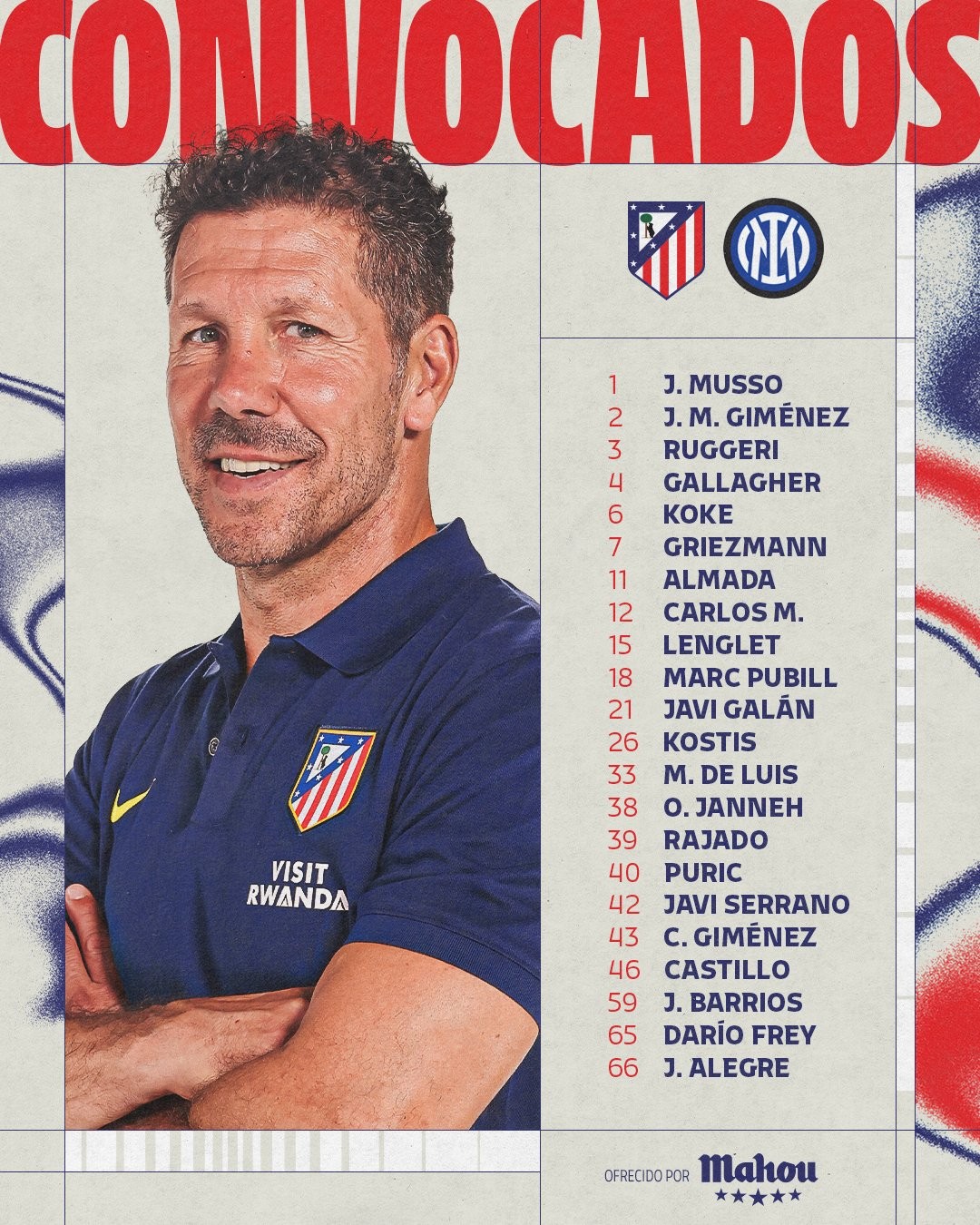
Atletico Madrid squad list for Reconstruction Cup-FDRL game vs Inter Milan in Libya
How much are Atletico Madrid getting paid to play in Libya?
Neither club has officially disclosed the financial terms, but Spanish outlet Marca has reported that Atletico Madrid will earn around €3 million for taking part. Inter’s fee has not been made public, and there has been no confirmation from Italian media about whether their compensation matches Atletico’s.
Barcelona had initially been lined up to feature in the game instead of Atletico. According to The Athletic, Barca received approximately €5 million in advance as part of that agreement, before deciding to withdraw. The Catalan club have since returned the funds.
Why did Barcelona pull out of Libya’s Reconstruction Cup-FDRL?
Barcelona were originally due to face Inter in the match, but pulled out before final arrangements were completed. The key reason was reported to be security. While organisers insisted that travel, accommodation and policing plans had been agreed, Barca apparently felt the guarantees did not meet the required threshold.
The club also faced squad logistics. With 10 senior players away on international duty, they would have needed to rely on B-team and youth players to fill out the squad. That complicated the plan further, especially with fixtures scheduled for their reserve side during the same period.
Barcelona B are due to host Tenerife II on Sunday, less than 48 hours after the Reconstruction Cup-FDRL match.
What is the football scene like in Libya?
Football is by far the most popular sport in Libya, with the men’s national team currently ranked 112th in the FIFA rankings. The country has never qualified for a World Cup, but did reach the Africa Cup of Nations final as hosts in 1982 and won the African Nations Championship in 2014.
The domestic game is split along political lines, with separate structures in the east and west of the country. The Libyan Premier League is semi-professional and features clubs such as Al-Ittihad Tripoli, Al-Ahly Tripoli and Al Nasr Benghazi. Stadium redevelopment projects have been launched in recent years as part of wider reconstruction efforts.
Women’s football remains extremely underdeveloped. The Libya women’s national team is currently unranked by FIFA and has no official recognition. The senior women’s side played its first international match only in 2016, losing 8-0 to Egypt, while youth participation remains very limited.
Despite political challenges and security concerns, football culture is intense. Stadiums are often packed for big domestic matches, and many Libyans see the Reconstruction Cup-FDRL as a symbolic statement that the country wants to rejoin the global sporting stage.

 Forest Demand Guaranteed British Record as City’s £120m Anderson Bid Looms
- Rashford Wants Barca or Bayern — Spurs Are Just the Fallback Option
- Tottenham Agree £52m Fixed Fee for Brighton’s Van Hecke
- Tottenham Threaten to Hijack Summerville as United’s Window Unravels
- Liverpool and United Circle Juventus’s Thuram at €50m
- Arsenal agree personal terms with Manu Koné in €45m Roma deal
- Man United Target Summerville and Fernandes in £130m West Ham Double Deal
- Nico Paz Set to Stay at Como as Real Madrid Step Back
- Liverpool Chase £112m Diomande in Three-Way Battle
- Rashford Open to United Stay But Club Want Him Gone