
Since the end of the 2008/09 Premier League season, a lot of people, from supporters of other teams to supposedly well informed media pundits, have been warning Stoke against the perils of “second season syndrome”. While I feel that many of these comments are coming from those embittered people, who still cannot accept Stoke as a top flight side, the sort that seek to ban the long throw, a technique which of course provided 37 of our 38 league goals last season, I also believe that there is a grain of truth to their words. It has been historically very difficult for clubs who overachieve in their first Premier League season to replicate this success the second time around. Since the nineties became the noughties we have seen both Ipswich and Reading relegated a year after finishing in the top eight, While in 2007 Wigan avoided relegation by just one goal, having finished in the top ten the season before.

Reading are the newest victims of the second season syndrome
If Stoke are to repeat or even better out twelfth place finish from our inaugural Premier League campaign, or even simply avoid the drop, our home form will be hugely important. Last season, 35 of our 45 points were won at the Britannia Stadium, while we won more than half of our home games. Tellingly, even without the points we won away from home, we would have had 35 points, more than eighteenth placed Newcastle managed. I believe that a significant factor in our home success was the way that a number of teams came to play Stoke with the wrong mindset, such as Arsenal, Manchester City and Tottenham, expecting an easy game, and as a result defending poorly, missing their chances and ultimately falling foul of the constant windy conditions, oppresive atmosphere and Stoke players, who, as we’ve seen are no push-overs.
These teams are unlikely to make the same mistake twice. They’ll travel to Stoke expecting to scrap, with many even content to play for a draw. This season we’ve seen we struggle to break down teams who try primarily to defend, only managing draws against the likes of Fulham, Newcastle and Portsmouth. We do have quality in the squad though, and I am hopeful that the goalscoring skill of Ricardo Fuller and James Beattie, and the creative talents of Liam Lawrence and Matthew Etherington, coupled with the additional input any new signings we make will be enough to help us to reproduce our superb home form.


Sides like Arsenal are sure to heed last season’s wake up call
Just as our home form will be hard to replicate, however, it will be hard for us to do any worse on the road. For a long time it looked as though we would not win an away match all season, with our eventual only two victories coming in April and May. Towards the end of the season, with some improved tactics, we were better on our travels, and I fully expect us to carry this forward and make significantly more of our chances to rack up away points in 2009/10, which in turn would do our bid to remain a top flight club no end of good.
The signings Tony Pulis makes this summer should also have a great effect on our ability to overcome the second season syndrome. The transfer window is still young, and unsurprisingly there has been no concrete news of players joining the Potters as yet, but we have, equally unsurprisingly been linked with a multiplicity of names. Some, of these, most notably Nikola Žigić and Paul Scholes would represent huge steps forward for the club, and would bring a previously unseen quality to the side which, like Newcastle, would begin to make us look like a team too good to go down.

More shrewd moves are needed
A large factor in our success last season was, minus one bleak day at the Boleyn Ground, the togetherness and spirit of our squad, and the players’ ability to operate as a whole as far more than they could amount to as separate parts. If we are to continue to punch above our weight, and hence succeed in the Premier League, this must continue. How often have we seen the wrong sort of characters bring down the fortunes of their teammates and their club as a whole? Dimitar Berbatov at Spurs and Amr Zaki at Wigan are two good recent examples. Pulis has said that he is only willing to sign players with “the right DNA”, meaning those who are not just talented on the pitch, but can help to forge the squad into a more united battling front off of it. Having the communal goal of exceeding outsiders’ expectations should also help our cause. We had it last season, determined to show the press and bookmakers they spoke so soon, and it’s important that we maintain it going forward. I feel that as long as as a club we have a point to prove, and players who care enough to give their all in proving it, we will push on and further establish ourselves as mainstays at the highest table of English football.
Of course, the second season at the top is not always the graveyard of newly promoted clubs. After debuting in the Premier League in 2001, Fulham are now considered to be an established Premier League club, and will contest ther first ever European campaign next year. Bolton and Blackburn are two others who, having regained their Premier League status after prior relegations have kicked on to achieve very commendable top-half finishes. Stoke, in terms of style of football, size of club and budget, are often compared to Bolton, so there should be a good chance of us following in the footsteps they took under Sam Allardyce in their Premier League infancy.

Fulham have achieved that which Stoke must target
Though the second season syndrome does pose a threat, I have little doubt that with careful planning and the assurance that the components of our formula for success are kept in place, we can succeed where Reading, West Ham, Ipswich, Middlesbrough and others have failed, and enjoy high achievement in our second season at the top and beyond.

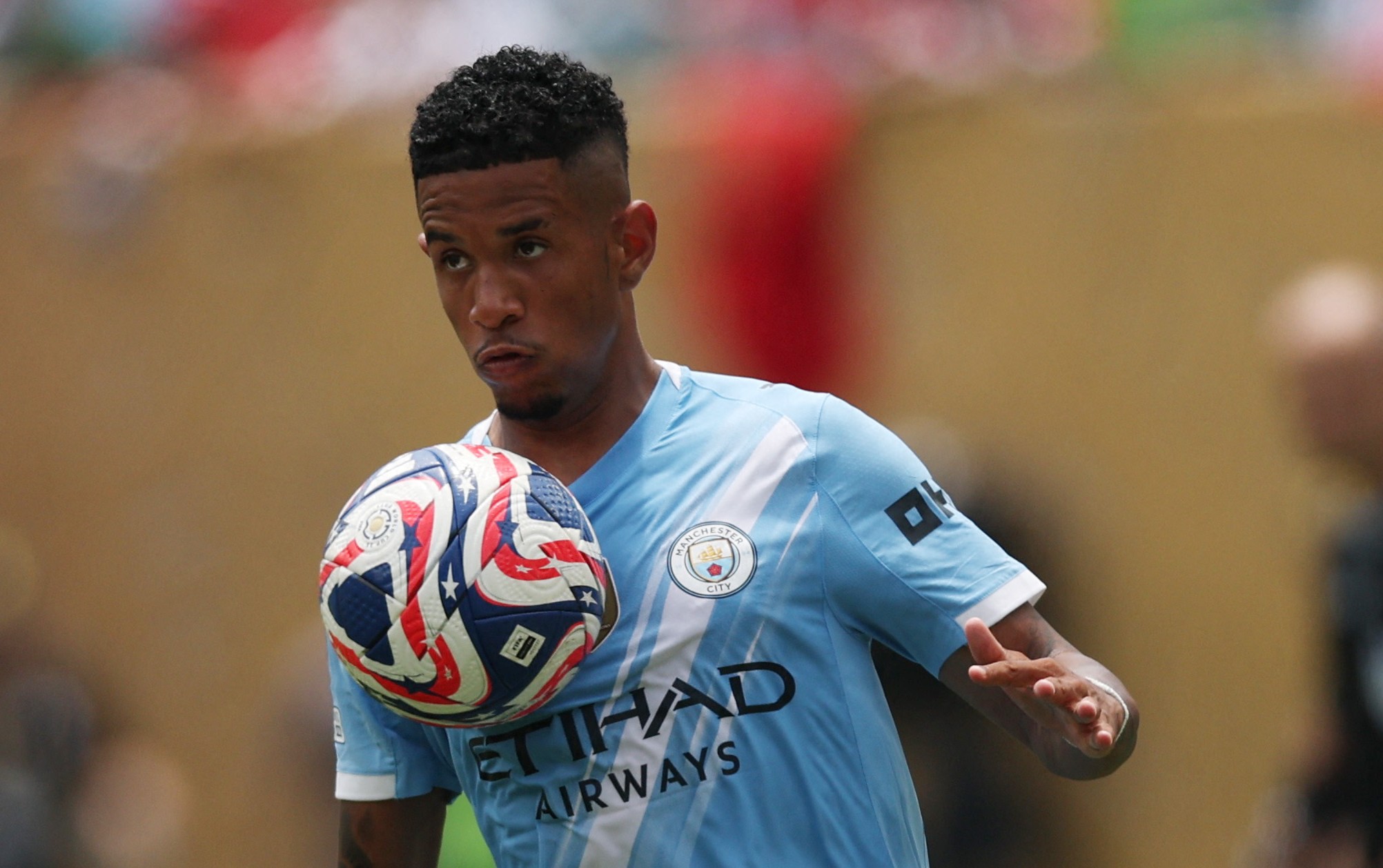
 Savinho to Spurs: City Must Now Decide on £60m Sale
- Meslier Joins Arsenal on a Free as Kepa Prepares to Exit
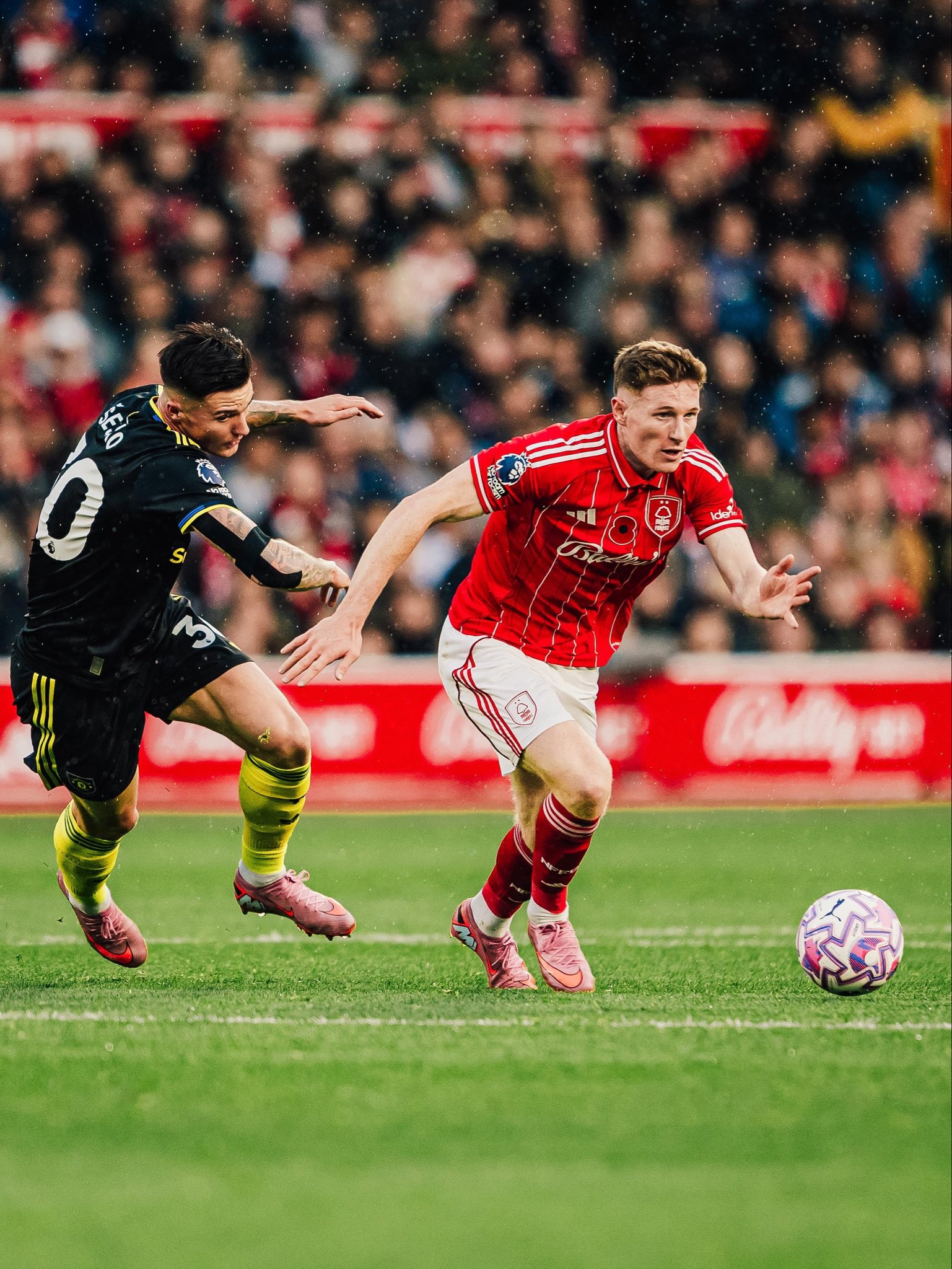
- Forest Demand Guaranteed British Record as City’s £120m Anderson Bid Looms
- Rashford Wants Barca or Bayern — Spurs Are Just the Fallback Option
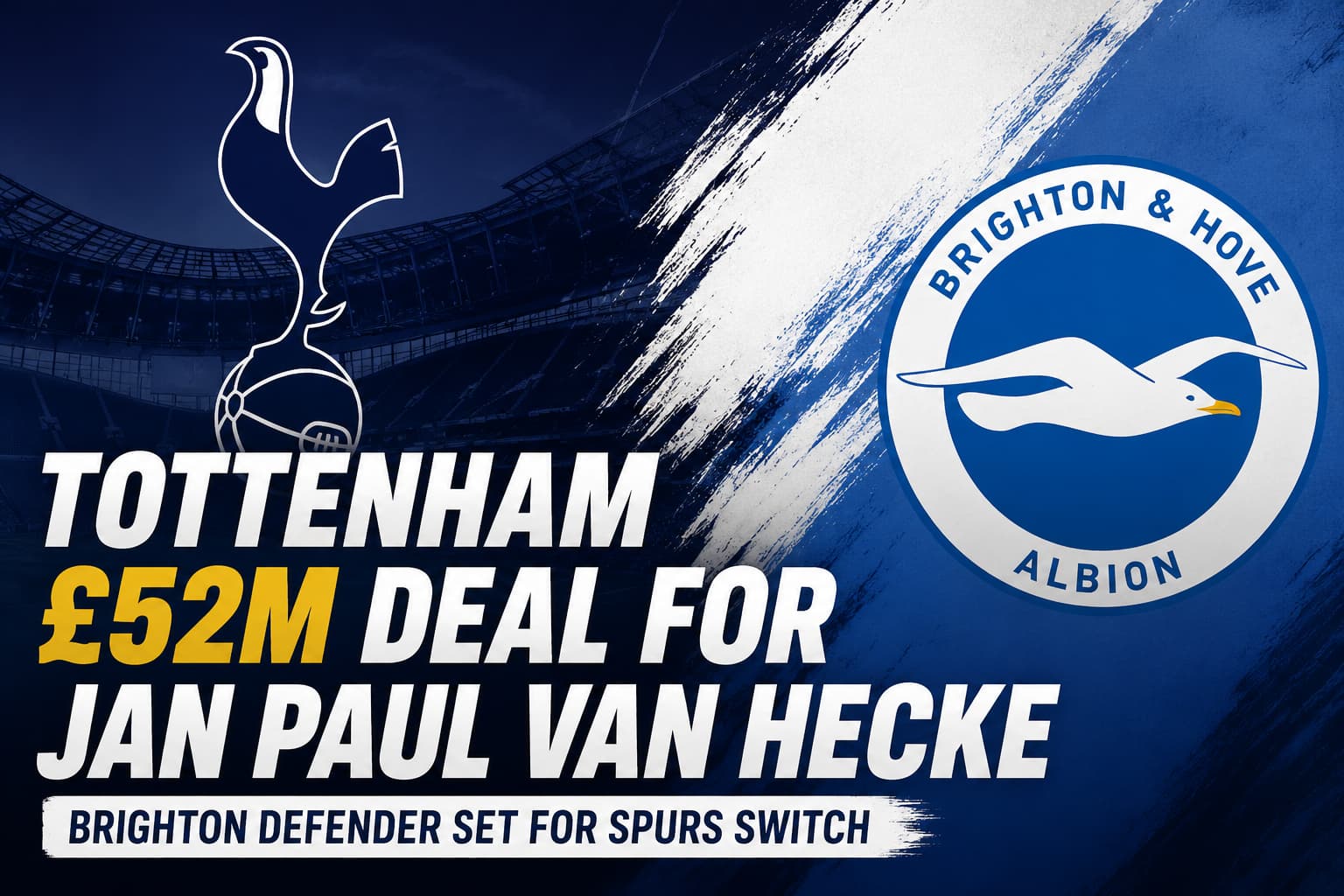
- Tottenham Agree £52m Fixed Fee for Brighton’s Van Hecke
- Tottenham Threaten to Hijack Summerville as United’s Window Unravels
- Liverpool and United Circle Juventus’s Thuram at €50m
- Arsenal agree personal terms with Manu Koné in €45m Roma deal
- Man United Target Summerville and Fernandes in £130m West Ham Double Deal
- Nico Paz Set to Stay at Como as Real Madrid Step Back





11 Comments
You must be logged in to post a comment Login