

In 2000, Roberto Di Matteo’s decision to open an Italian restaurant in the West End of London was much publicised. Several broadsheets covered the opening and he even got a mention on Match of the Day. The much liked Italian was following another passion, that of his love for Mediterranean food, with friend and business partner Roberto Caravona. He is rumoured to be considering the same venture in the West Midlands. Little did he know that 2 years later, his career at Chelsea would be cut short as a result of a triple leg fracture, suffered against FC Gallen of Switzerland, Di Matteo’s country of birth.
The flamboyant midfielders’ time at Chelsea was to stand him in good stead for management, after being signed from Lazio for a then club record of £4.9m by Ruud Gullit. During his five year stay, he won the League and Uefa Cup Winners Cup, not to mention his famous 43 second goal in the 1997 FA Cup final, which put the Blues on their way to victory against Middlesbrough.
During his time on the sidelines, it was there that Di Matteo started on his first steps to management, completing his Uefa coaching licences. During his 5 years out of the game, he concentrated on his flourishing Restaurants and was the talk of the Shed End, regularly making appearances at Stamford Bridge.

It was in the 2007-2008 season that he took his first steps to professional management, taking over from Paul Ince at MK Dons, who departed for Premier League strugglers Blackburn. Di Matteo took former Chelsea team-mate, Eddie Newton, as his assistant and steered the newly formed club to third in League One. The MK Dons were knocked out of the Play-offs at the semi-final stage to Scunthorpe, after finishing all square after both legs, losing 7-6 on penalties. Nevertheless, the Italian was able to hold is head high after a sterling start to his managerial career, bringing a flair that Milton Keynes has perhaps not seen before, with a young manager leading a young team and indeed a young club to near success.
On the 30th June 2009, Di Matteo was appointed as “Head Coach” of West Bromwich Albion following their relegation from the Premiership. With little cash to spend, the former Italian international has guided the club into the automatic promotion places, with the run-in looking likely to be a two horse race between themselves and Newcastle, another relegated side last term.
Admittedly, when Tony Mowbray led the Baggies to plum last in the Premiership, their saving grace was that they went down playing attractive football. So perhaps Di Matteo has not crafted a side that solely has his stamp on, with the foundations already laid by his predecessor. However, having lost the likes of Greening and Robinson to Premiership sides, it is clear that he is under no illusion that automatic promotion would be obtained just by turning up.

Since taking control of West Brom, Di Matteo is not only making his mark on the Championship, but also English football as a whole. A likeable character with an inherent degree of flair and trademark mediteranean passion, if he is not mindful, he could quietly go about making himself one of the most sought after young managers the modern game has produced. This appears rich praise; however he has won 17 of his 31 games in charge, losing only five. In addition, the Baggies along with rivals Newcastle have by far the best goal difference (+30) in the Championship, which come May, could be decisive.
Roberto Di Matteo is not currently the most successful manager outside of the Premier League, however comparatively, given his short career and limited resources in the lower leagues; his success is relative to his environment. If West Brom do go on to win automatic promotion as expected, don’t be surprised to see a host of bigger clubs circling around The Hawthorns. He may be going about his business quietly as Head Coach but just because he does not shout the loudest does not mean that he has not been heard; perhaps the continental coaching set up can work in English Football.

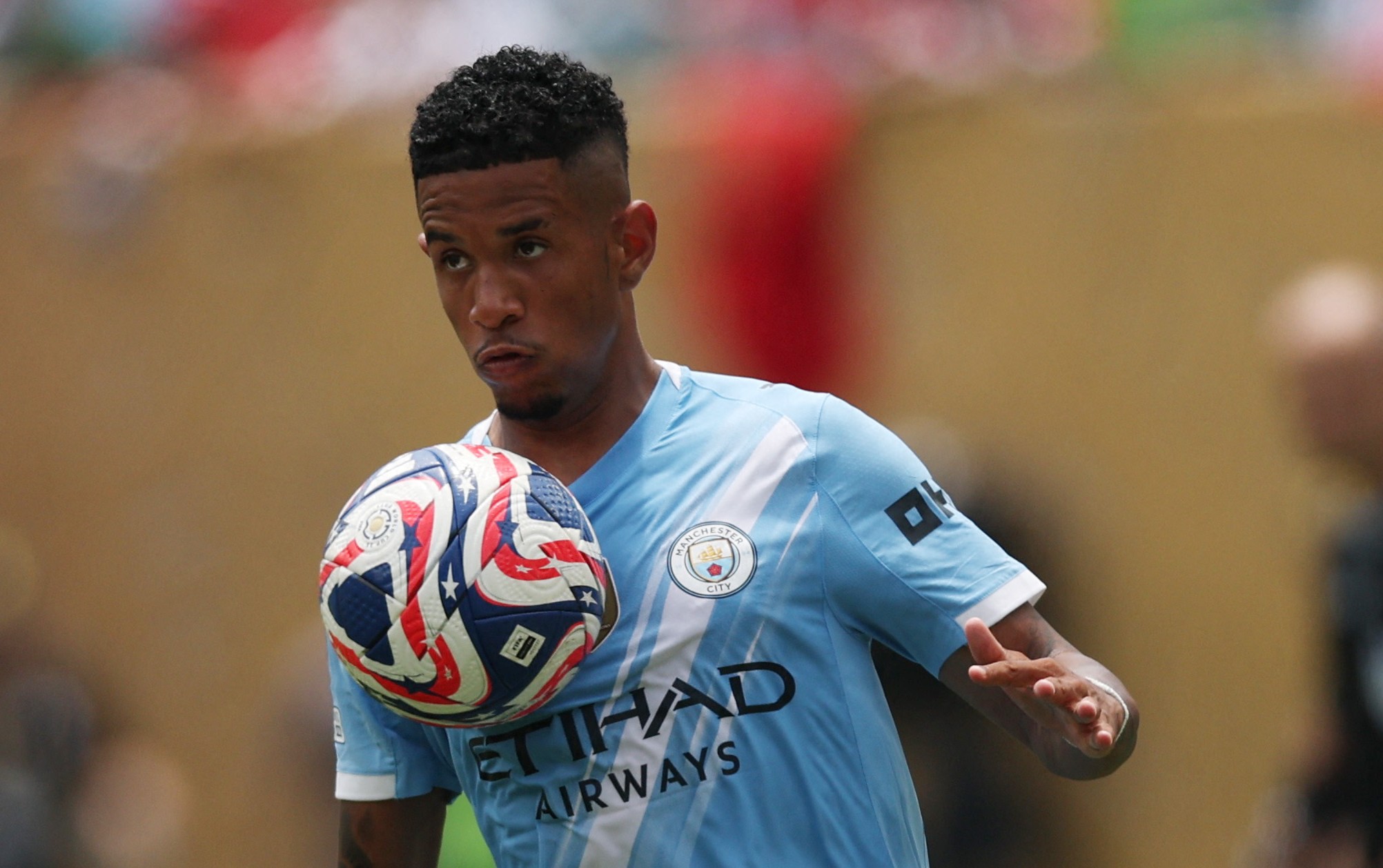
 Savinho to Spurs: City Must Now Decide on £60m Sale
- Meslier Joins Arsenal on a Free as Kepa Prepares to Exit
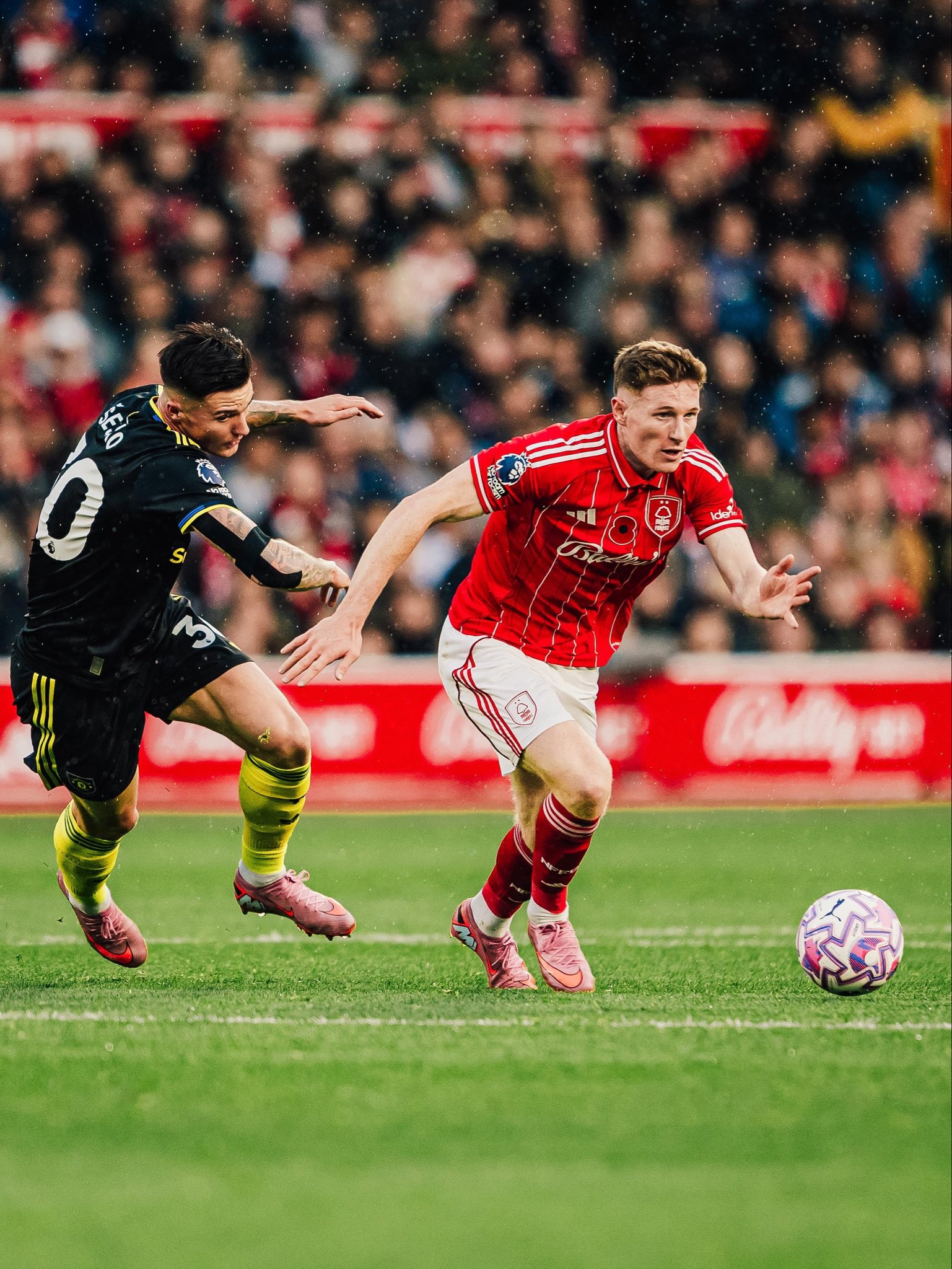
- Forest Demand Guaranteed British Record as City’s £120m Anderson Bid Looms
- Rashford Wants Barca or Bayern — Spurs Are Just the Fallback Option
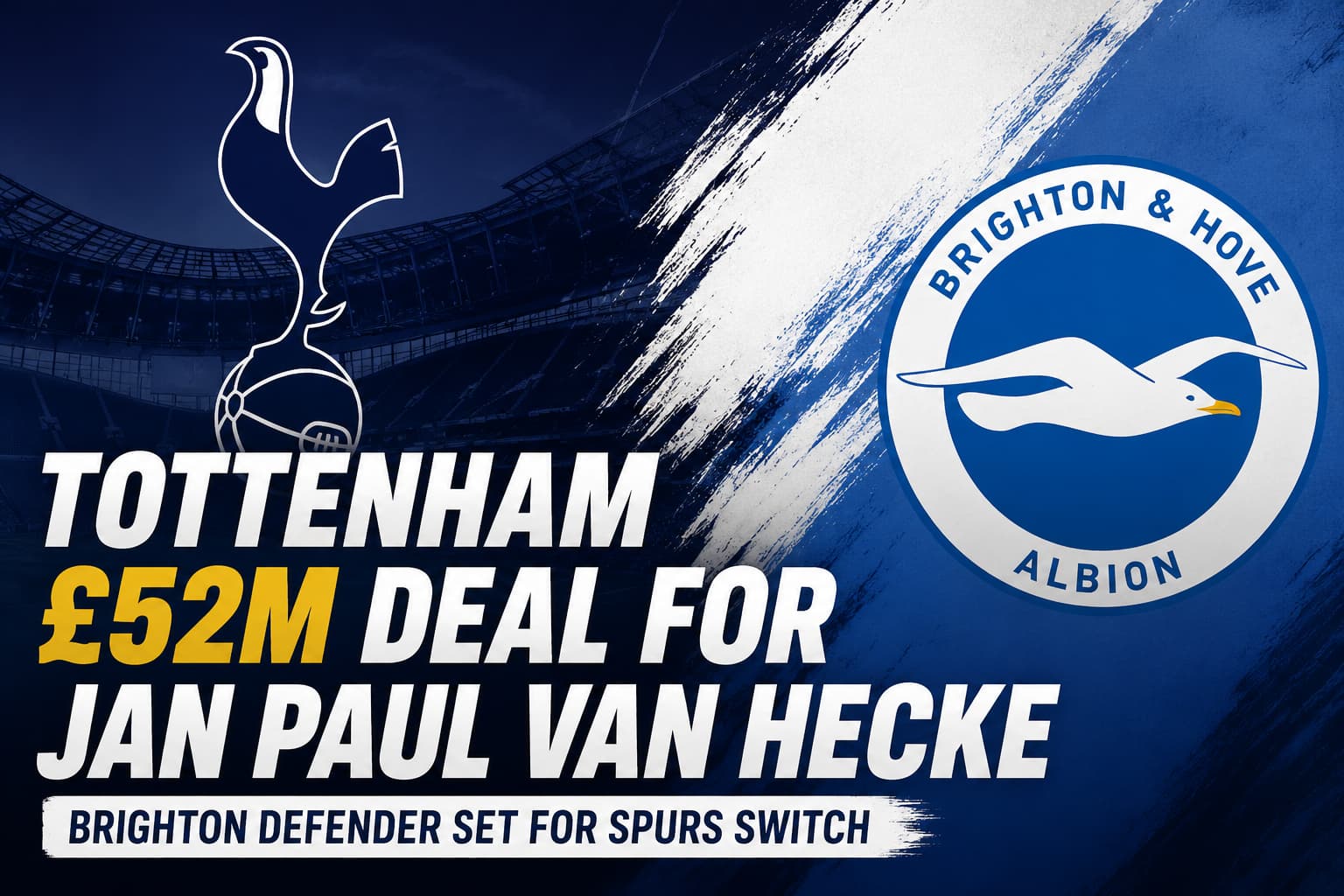
- Tottenham Agree £52m Fixed Fee for Brighton’s Van Hecke
- Tottenham Threaten to Hijack Summerville as United’s Window Unravels
- Liverpool and United Circle Juventus’s Thuram at €50m
- Arsenal agree personal terms with Manu Koné in €45m Roma deal
- Man United Target Summerville and Fernandes in £130m West Ham Double Deal
- Nico Paz Set to Stay at Como as Real Madrid Step Back







1 Comment
You must be logged in to post a comment Login