
Since England’s dispiriting exit from the 2010 World Cup, a heavy cloud of negativity has hung over English football. Once the usual feelings of anger and injustice had receded, fans all over the country reached the same unavoidable conclusion: The English team is technically and tactically infantile when compared with the mature footballing sophistication of the top European sides.
The incisive passing and tactical understanding of Spain and Germany embarrassed us. The recent unveiling of the controversial EPPP (Elite Player Performance Plan) sees the Premier League and F.A. taking radical steps to revolutionise the way young English players are developed, in the hope of closing the gap to world leaders, Spain. Whilst current focus is fixed firmly on these plans, an underlying change in the philosophy adopted by youth football coaches in England has taken place in recent years, which may ultimately play the starring role in bringing English fans the success that they crave.
I have witnessed this change, first-hand. From 2000-2004, I was a part of the West Bromwich Albion Centre of Excellence (now Academy). Released at the age of sixteen, my dreams were never realised. Seven years on, my youngest brother (15) finds himself on the books of WBA FC, a year away from the very same professional scholarship that was once my Mecca.
There is a popular view that the English are resistant to change, anchored to a blind belief that traditionally “English” characteristics, such as physical strength and aggression, remain the formula for success. This is wrong. Every time I visit the training ground to watch the boy play, I am struck by the fundamental change in philosophy since I was there. This change has left me convinced that in five years’ time, English football will see a new breed of footballers emerge, equipped with the desire, intelligence and technical proficiency of Xavi, Iniesta or even Messi.
The changes WBA have made are numerous, but a few directly address this issue. Firstly, 2 hours of each session are spent developing technical skills; adeptness of touch, quick, incisive passing, and an intelligence of movement when not in possession of the ball. This was practised when I was at Albion, but not with the regularity, detail and intensity that is shown by the current coaches and players. In 2004, a young lad would play a sweeping, diagonal ball that bounced out of play, similar to those for which Steven Gerrard is famed. My coaches would praise him for what appeared to be an adventurous attempt to switch the play. Not today. A number of sharp, accurate passes such as those administered with clinical precision by Xavi or Iniesta would have got the ball successfully to its intended target, and just as quickly. This is the modern way of playing the game, one that the coaches at WBA drill into young players from the moment they arrive through the doors.
The coaches also work relentlessly on the less glamorous, yet equally important side of the game, termed the “transition.” When Barcelona lose the ball, you will not see the guilty player standing still, bemoaning his bad luck. He knows, for he has been taught, that the seconds immediately following the loss of possession are crucial to the success of the team. As such, he will transform his anger at losing the ball into a burst of speed, quickly retreating into position so that he can help his team-mates press the ball as a single entity. It is this intelligent hard work when not in possession of the ball that makes Barca a team capable of keeping nine clean sheets in a row, and its importance is not lost on the coaches at WBA.
Whilst the focus seven years ago was on the player as an individual, young players are now being instilled with a deeper understanding of how their decisions impact upon the success of the whole team. This change in ethos will surely lead to a more collective, cohesive England team. Many people regularly remark that the English national team play like a group of “strangers”. In the years to come, I believe that this criticism will come to symbolise the failings of the past, and exemplify the success of this change in philosophy.
The final change is in attitude, not only from the coaches, but from the young boys who are the potential stars of the future. Last week, my brother returned from training armed with a two-page article on Xavi Hernandez. Photocopied by WBA and assiduously distributed to every player at the academy, the article charts Xavi’s rise to success. In it, he details the numerous people who told him that he would never succeed as a professional on account of his small stature. He explains the self-doubt that he encountered as a result, and how he overcame those hurdles to become a player who graces the international stage with balletic majesty. The moral of the story for young players is both clear and unavoidable. Do not be dissuaded by your lack of size. Practice relentlessly on your technical skills, listen to the cutting-edge knowledge of your coaches, and play the game in the modern way.
As a result of this change in philosophy, the role models for young players are the polar opposite to those that existed when I was at Albion. Back then, Beckham, Gerrard and Sol Campbell were the benchmark for aspiring players. Whilst each player deserves and commands the ultimate respect, they symbolise the old way of playing football, where extravagant long balls and individual moments of brilliance were considered enough to achieve success. With teenagers now aspiring to play like those who have led Spain to unrivalled domination of the club and international game, the future of English football looks bright.

 Savinho to Spurs: City Must Now Decide on £60m Sale
- Meslier Joins Arsenal on a Free as Kepa Prepares to Exit
- Forest Demand Guaranteed British Record as City’s £120m Anderson Bid Looms
- Rashford Wants Barca or Bayern — Spurs Are Just the Fallback Option
- Tottenham Agree £52m Fixed Fee for Brighton’s Van Hecke
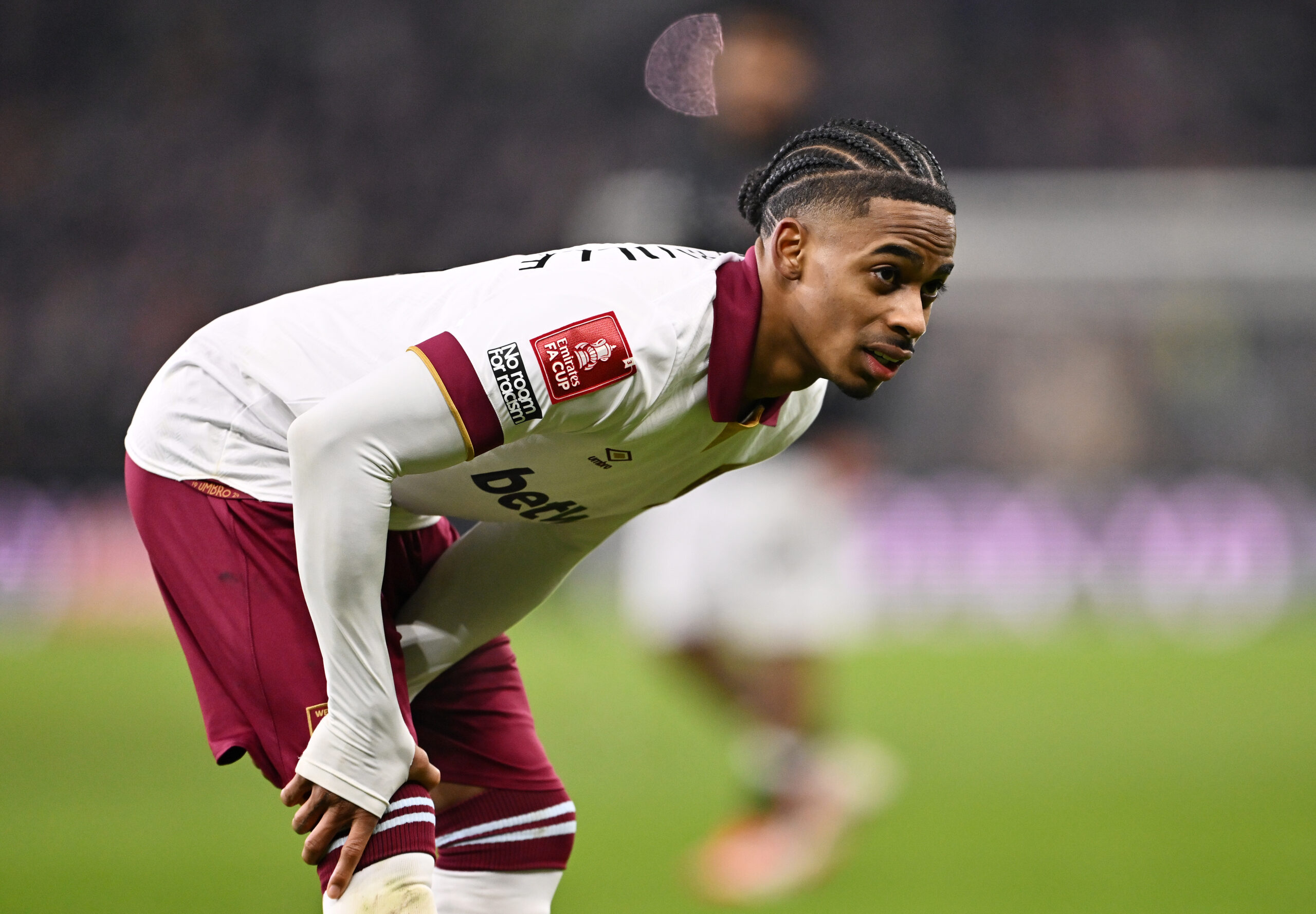
- Tottenham Threaten to Hijack Summerville as United’s Window Unravels
- Liverpool and United Circle Juventus’s Thuram at €50m
- Arsenal agree personal terms with Manu Koné in €45m Roma deal
- Man United Target Summerville and Fernandes in £130m West Ham Double Deal
- Nico Paz Set to Stay at Como as Real Madrid Step Back















1 Comment
You must be logged in to post a comment Login