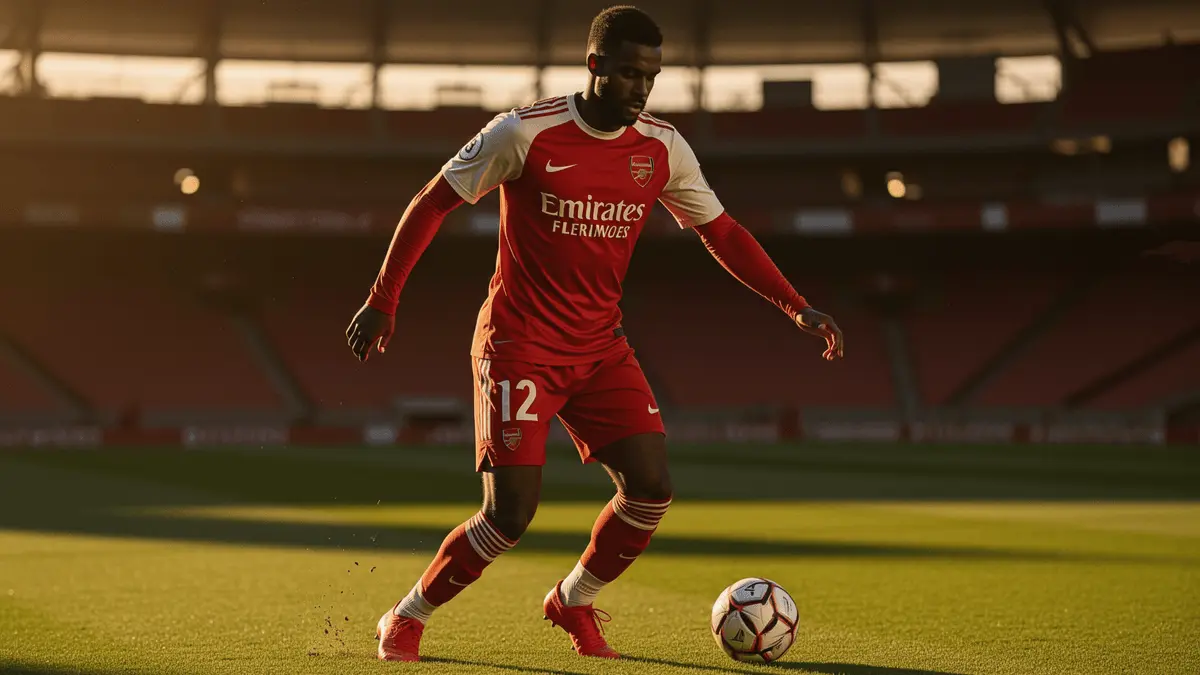
Paris Saint-Germain have become one of the most entertaining sides in world football under Luis Enrique.
They smashed home 168 goals last season while sweeping the board with the Champions League, Ligue 1 and Coupe de France. Their 5-0 demolition of Inter Milan in the Champions League final was the pinnacle — an exhibition of dazzling attacking football.
But what turned out to be one of the most thrilling nights in recent European history actually began with a moment that looked more Sunday League than Champions League. PSG booted the ball out of play straight from kick-off.
Why do PSG kick the ball out of play from kick-off?
At first glance, it feels bizarre. PSG’s fluid attack is now spearheaded by players like Ousmane Dembele and Khvicha Kvaratskhelia. Why would a team built on skill and possession voluntarily surrender the ball before anyone has had a touch?
The answer lies in territory and pressing. By launching the ball into the opposition’s half, PSG immediately pin their opponents back near the corner flag. The resulting throw-in creates a pressure trap: one wrong move and the European champions can pounce high up the pitch.
In the era of gegenpressing and turnover football, giving the ball away is not necessarily a weakness — it can be an invitation to spring the first attack.
Yet it is not a sign that Luis Enrique has abandoned his footballing principles because PSG still play out from the back at goal-kicks, a philosophy that influenced his decision to let Gianluigi Donnarumma join Manchester City this summer.

PSG boss Luis Enrique often instructs his players to deliberately kick the ball out of play straight from kick-off
Who started the trend?
The routine is not entirely new. England famously tried something similar back in 1991 under Graham Taylor, though on that occasion it went horribly wrong and ended up with Poland attacking within seconds.
In modern club football, Marseille experimented with the tactic throughout the 2017-18 season, even in their Europa League final defeat by Atletico Madrid. Crystal Palace have also been repeat users, with midfielder Adam Wharton regularly hoofing the ball out from kick-off to set up pressing traps.
But it was PSG’s use of the move in the Champions League final that gave it global exposure. When Europe’s most technically gifted side are prepared to mimic rugby union and kick for touch, others sit up and take notice. Arsenal — who, according to a recent study, have an 18.8% probability of winning the Premier League title — have since been spotted copying the routine, as have Newcastle.
A clever ploy or a worrying sign?
On one hand, it’s a smart way to turn a sterile kick-off into a live pressing opportunity. On the other, it risks turning football into a game of territory battles rather than creative play.
If the trend spreads further down the pyramid, youth and grassroots matches could suffer, with kids encouraged to smash the ball into touch rather than express themselves. For now, though, PSG’s opening hoof has become a strange quirk of the modern game — and proof that even the most beautiful football can start with the ugliest kick.
In an age where coaches are becoming obsessed with marginal gains, it is perhaps no surprise to see kick-offs treated almost like set-pieces. The rise of the long territory kick-off appears to be running parallel to the revival of long throw-ins.
Arsenal, Spurs and Liverpool have all used long throws this season, following Brentford’s lead from the previous campaign, and now even England are experimenting.
Speaking after last week’s 2-0 win over Andorra – during which Myles Lewis-Skelly chucked a ball into the penalty area — England manager Thomas Tuchel declared: “I told you – the long throw-in is back.”

 Savinho to Spurs: City Must Now Decide on £60m Sale
- Meslier Joins Arsenal on a Free as Kepa Prepares to Exit
- Forest Demand Guaranteed British Record as City’s £120m Anderson Bid Looms
- Rashford Wants Barca or Bayern — Spurs Are Just the Fallback Option
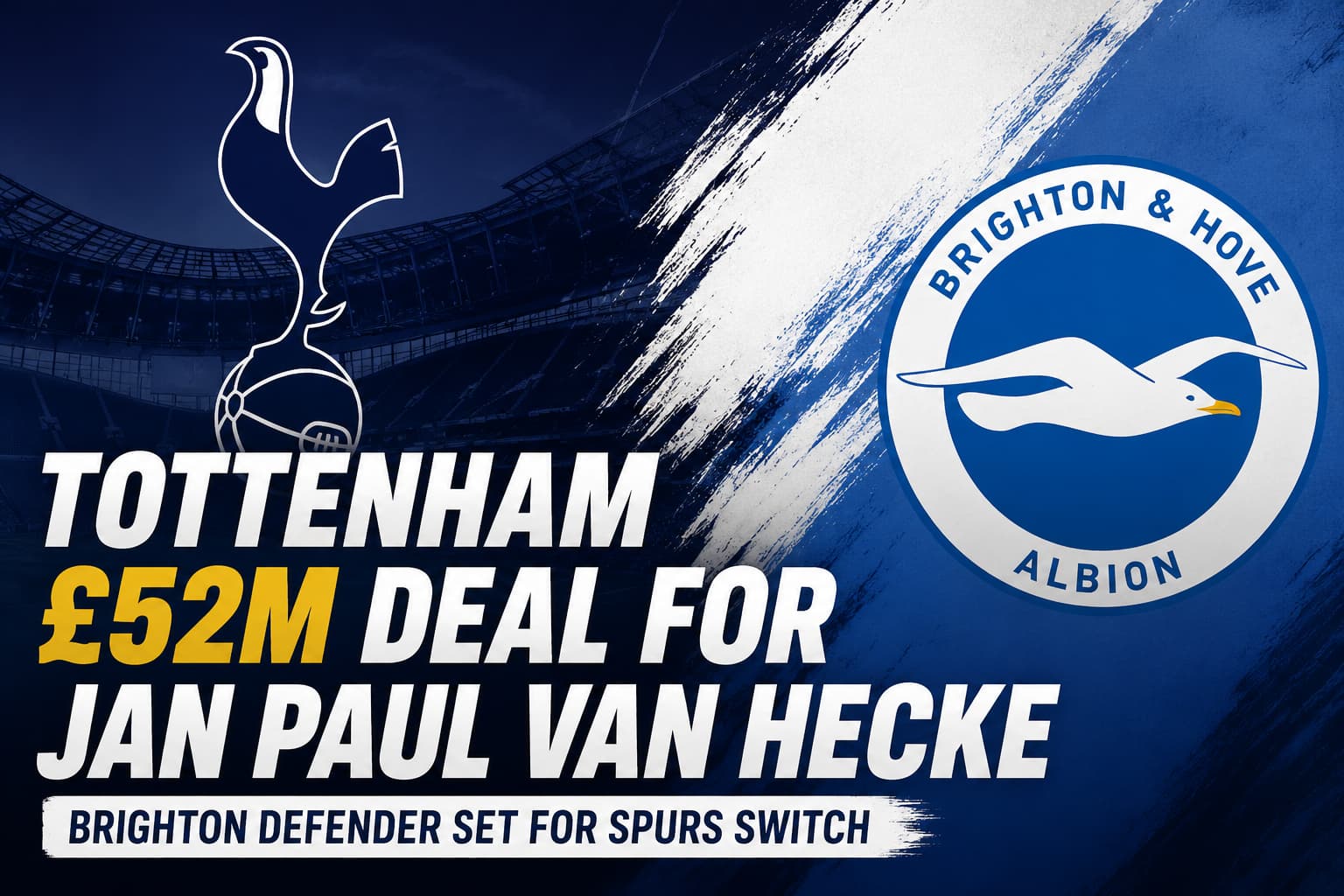
- Tottenham Agree £52m Fixed Fee for Brighton’s Van Hecke
- Tottenham Threaten to Hijack Summerville as United’s Window Unravels
- Liverpool and United Circle Juventus’s Thuram at €50m
- Arsenal agree personal terms with Manu Koné in €45m Roma deal
- Man United Target Summerville and Fernandes in £130m West Ham Double Deal
- Nico Paz Set to Stay at Como as Real Madrid Step Back