
On the 22nd of May 1960 the largest earthquake ever recorded shook Chile to her very core. The Great Chilean Earthquake measured an astonishing 9.5 on the Richter Scale and the tremors and resulting Tsunami affected coastlines as far away as Alaska, Japan and Australia. The earthquake killed around five thousand people and tore apart the infrastructure of the country just two years before Chile was due to host its own World Cup.
That the 1962 tournament went ahead as planned is truly astonishing. That the Chilean national team achieved its best finish in any World Cup before or since is quite staggering. The Chileans beat Switzerland 3-1 in their opening game before literally outfighting Italy to win 2-0 second time out.
Some Italian journalists had criticised Chile in the wake of the 1960 earthquake and emotions prior to the game were strained. The fixture went down in tournament history as the Battle of Santiago. Two Italians were sent off as the match descended into farce and fights broke out all over the pitch as English referee Ken Aston lost control. David Coleman, presenting coverage of the game on British television called the match:
“The most stupid, appalling, disgusting and disgraceful exhibition of football, possibly in the history of the game”.

Unbelievably Chile kept all eleven players on the field despite several instances of brutality from the home side’s players and qualified for the quarter finals despite losing 2-0 to West Germany in the final group game.
After eliminating Lev Yashin’s USSR in the last eight, Chile faced Brazil in the semi-finals. Brazil were without the injured Pele but inspired by the outstanding player of the tournament Garrincha. Another bad tempered affair saw a player from each side, including Garrincha dismissed late on but his two goals and a brace from Vava saw Brazil win the game 4-2. Chile went on to win a play-off against Yugoslavia to finish an impressive if controversial third.
Prior to 1962 Chile had taken part in just two World Cups, falling at the first hurdle in the first ever tournament in 1930 and again in 1950. Despite the presence of the elegant and talismanic defender ‘Don’ Elias Figueroa the same fate befell them in 1966, 74 and 82. Chile and World Cup controversy continued to go hand in hand however as the team qualified for the 1974 tournament only after the USSR refused to play a qualification play-off in Santiago in protest against the brutal military junta of General Augusto Pinochet.
The controversy would become deeper and more shameful for Chilean football during qualification for the 1990 World Cup. In September 1989 Chile needed a positive result from a match with Brazil to stand any chance of making it to Italy. Brazil led 1-0 in the Maracana when a flare was thrown onto the pitch. It landed near the feat of the Chile goalkeeper Roberto Rojas who went down clutching his head. The match was abandoned.
Television replays later showed that the flare had in fact landed several feet away from Rojas. The goalkeeper had cut his own head with a razorblade concealed about his person and the game was awarded to Brazil. Chile were eliminated and banned by FIFA from qualification for USA 94. Rojas was banned for life. After the highs of the summer 1962 Chilean football reached its undisputed nadir in that autumn of 1989.

Since then, Chilean football has enjoyed something of a resurgence. They reached the knockout stages for only the second time in their history in France in 1998, led by the prolific strike force of Ivan Zamorano and Marcelo Salas. Both averaged a goal every other game in international football and excelled in Europe. Former Real Madrid and Internazionale striker Zamorano went on to fire Chile to Olympic bronze in Sydney in 2000.
An atrocious qualifying campaign for the 2002 World Cup was followed by a near miss in 2006 before current coach Marcelo Bielsa took the team to second place in South American qualifying for this tournament late last year. Chile finished just one point behind Brazil to book their place in South Africa with ten wins from eighteen games. Their expansive, attacking game has also seen them take on the mantle of Latin America’s great entertainers as they bid to reach the knockout stages of the World Cup for the third time.

 Savinho to Spurs: City Must Now Decide on £60m Sale
- Meslier Joins Arsenal on a Free as Kepa Prepares to Exit
- Forest Demand Guaranteed British Record as City’s £120m Anderson Bid Looms
- Rashford Wants Barca or Bayern — Spurs Are Just the Fallback Option
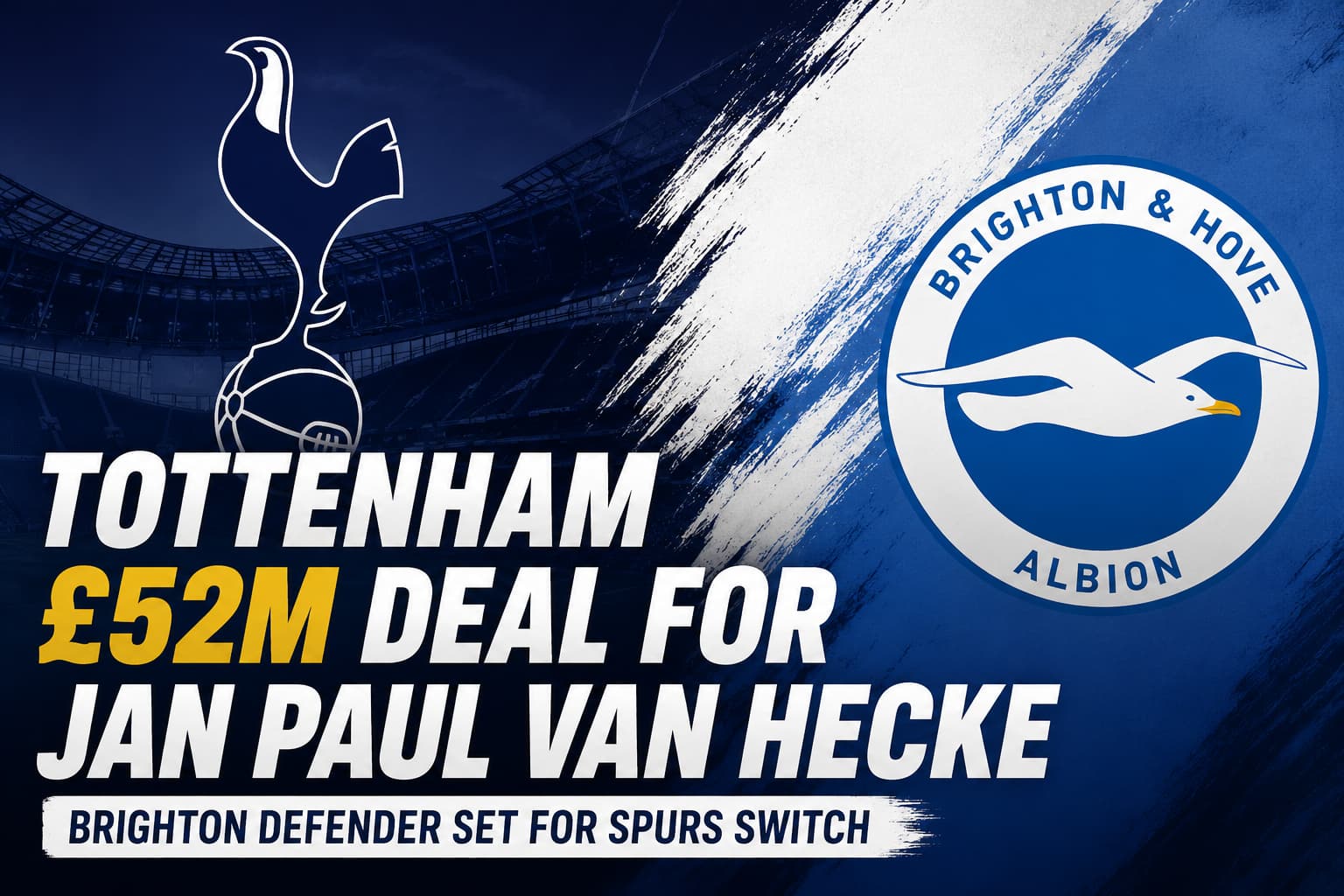
- Tottenham Agree £52m Fixed Fee for Brighton’s Van Hecke
- Tottenham Threaten to Hijack Summerville as United’s Window Unravels
- Liverpool and United Circle Juventus’s Thuram at €50m
- Arsenal agree personal terms with Manu Koné in €45m Roma deal
- Man United Target Summerville and Fernandes in £130m West Ham Double Deal
- Nico Paz Set to Stay at Como as Real Madrid Step Back


2 Comments
You must be logged in to post a comment Login