
Football and fashion go hand in hand. Whether it’s Motty’s sheepskin coat, Ljungberg’s pants or Beckham in a skirt, what the superstars of the game wear off the pitch now attracts almost as much attention as what they do on it, and don’t the big name designers know it. Armani, Calvin Klein and Ralph Lauren are among those lining up to get the sports elite to don their labels on the catwalks of Paris and Milan.
On the field however players are forced into their teams colours, and have been since the 1870’s when the problem of distinguishing each team was addressed through dress. There are many reasons, and indeed legends, behind the colours and strips each team came to adopt, and over the years some strips have become iconic, such as Cruyff’s two stripe Dutch kit, the famous red of England’s 1966 World Cup triumph or the sunshine glow of Brazil’s 1970 brilliance. Others however, have been simply dreadful.
Delving into my wardrobe I realise that my beloved Aston Villa are no exception. In fact we seem to have had more than our fair share of fashion tragedies. Chief among these has to be the infamous ‘Muller’ sponsored away kit worn between 1993 and 1995. It’s colour scheme was a nauseating green, black and red, which is a colour clash that, quite frankly, even Jackson Pollock couldn’t defend.

As far as shirt sponsors go ‘Muller’ was a poor choice. OK, so it was a brand of yoghurt rather than some greedy multinational bank, but that doesn’t change the fact that just saying ‘Muller’ made you sound like you were being sick, and, if you were reading it off the front of this shirt, you probably were.
Still even this monstrosity is spared the ignominy of being Aston Villa’s worst ever kit. That title has to go to the 2005/06 season away kit made by our Danish friends at Hummel. The first problem with this kit is that it was yellow. Now as I have already alluded to above, I actually quite like yellow kits, invoking as they do the style and flow of their most famous occupants, the Brazilian national side. The problem is that if you have a yellow kit you have to play like Brazil, which Aston Villa couldn’t. In 2005 Brazil had Ronaldinho at the peak of his powers. We had Eric Djemba-Djemba.
To make matters worse the clubs sponsor at the time was a company called ‘DWS Investments’. ‘So what?’ I hear you all cry, and rightfully so as in theory there is nothing wrong with that. In reality however the design of their logo gave the appearance that their name was actually ‘Cows’, meaning that, on already difficult away trips, the team had to take to the field in luminous yellow with the word ‘Cows’ branded across their chests. They looked utterly ridiculous.

The 2005/06 ‘Cows’ shirts also coincided with a terrible season for Aston Villa. With David O’Leary in charge the club battled relegation all season, finally finishing 16th to narrowly preserve it’s top flight status. For me, this is key to what forms our memories on a certain seasons kit. A bad season is is likely to make us look back negatively at the kit worn, and a good season can do the opposite. Of my favourite ever Aston Villa kits the ones I hold most dear are the ones worn in times of success.
Top of the list has to be the classic white away shirt worn by Aston Villa in their victory in the 1982 European Cup Final. The shirt is simple, the badge is central beneath a V-neck design and there is no sponsor. It is from the clubs most successful era and was the last shirt worn before garish shirt sponsorship became the norm. It is a throwback to a golden era, and it’s retro charm and glory have made it part of Aston Villa history.
The home kit worn that year is also one of my favourites, it too had a simple V-neck design with the badge in the middle and no sponsor. These shirts were made by Le Coq Sportif, and are, in my opinion, our finest ever kits. They continue to sell well amongst fans even today, and with a Frenchman now in charge of the club I hope we seek inspiration from these classic strips to add a little je ne sais quoi to our shirt designs from now on.
A special mention must be given to the kits worn for the 2008/09 and the 2009/10 seasons. For these two years Aston Villa adopted ‘Acorns’, a local children’s hospice, as their chief shirt sponsor, becoming the first Premier League team to use it’s shirt sponsor to promote a charity. It’s innovation like this which is needed to make the football kit great again.

 Savinho to Spurs: City Must Now Decide on £60m Sale
- Meslier Joins Arsenal on a Free as Kepa Prepares to Exit
- Forest Demand Guaranteed British Record as City’s £120m Anderson Bid Looms
- Rashford Wants Barca or Bayern — Spurs Are Just the Fallback Option
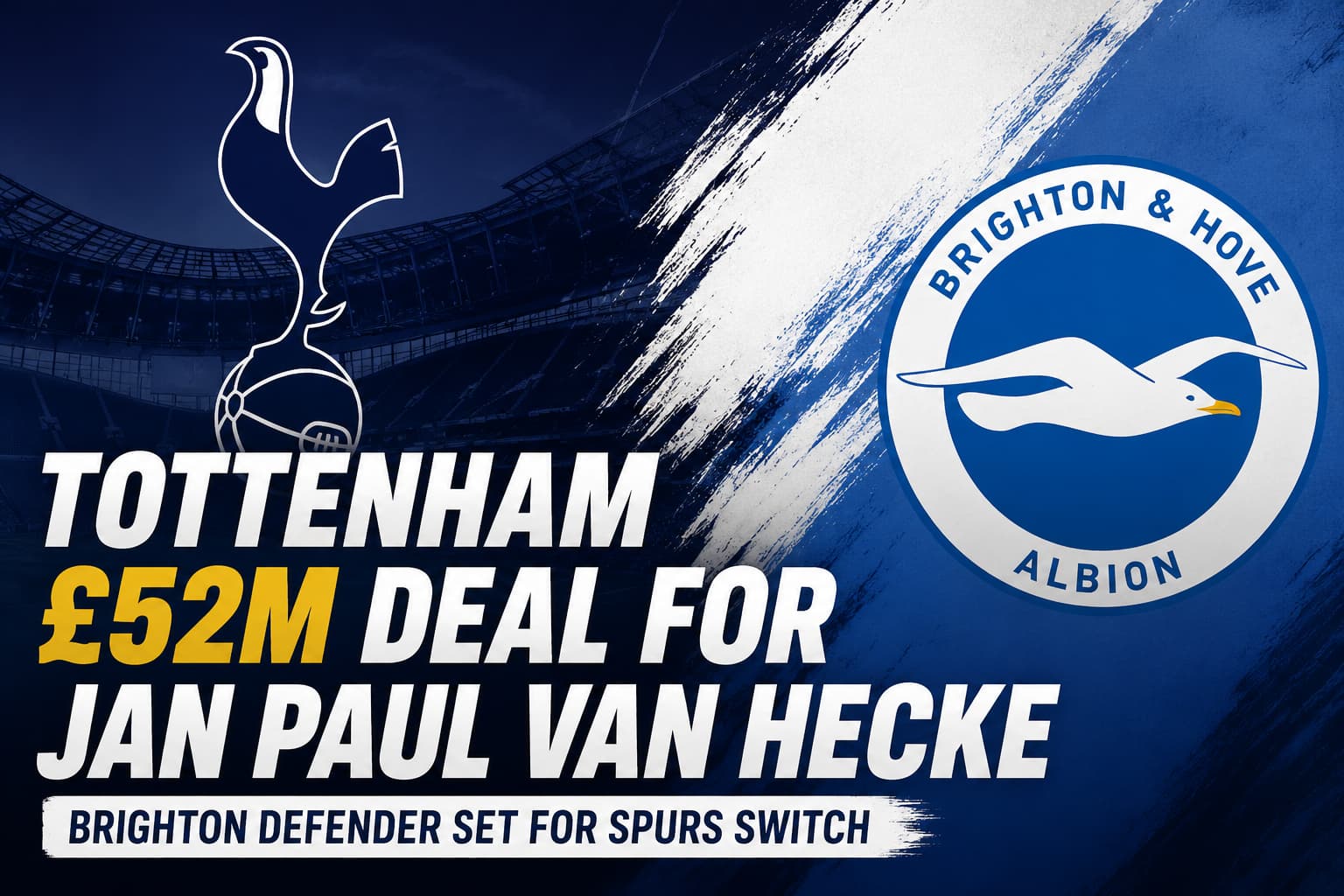
- Tottenham Agree £52m Fixed Fee for Brighton’s Van Hecke
- Tottenham Threaten to Hijack Summerville as United’s Window Unravels
- Liverpool and United Circle Juventus’s Thuram at €50m
- Arsenal agree personal terms with Manu Koné in €45m Roma deal
- Man United Target Summerville and Fernandes in £130m West Ham Double Deal
- Nico Paz Set to Stay at Como as Real Madrid Step Back











You must be logged in to post a comment Login